Putin Says Russia Will Avoid Future Wars If West ‘Treats it With Respect
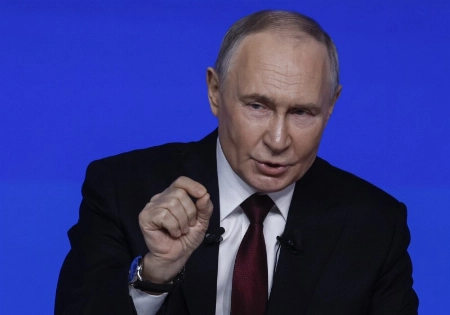
Russian President, Vladimir Putin has said Russia would refrain from launching new wars if Western countries treat Moscow with “respect” and take its security interests into account, a statement that has drawn skepticism amid the ongoing war in Ukraine and continued military activity
Putin made the remarks during his annual end-of-year press conference and televised call-in session, where he addressed domestic and international issues, including Russia’s relationship with NATO, the United States and Europe. He argued that Russia does not seek endless conflict and blamed tensions on what he described as years of Western disregard for Moscow’s concerns According to Putin, Russia would not initiate new “special military operations” — the Kremlin’s term for large-scale military interventions — if Western nations respect Russia’s sovereignty and strategic interests. He repeated long-standing claims that NATO expansion toward Russia’s borders amounted to a broken promise made after the Cold War, a position consistently rejected by Western governments. Putin also dismissed fears that Russia could attack other European countries, calling such warnings “nonsense” and insisting that Moscow has no intention of expanding the conflict beyond Ukraine. He portrayed Russia as acting defensively and said the West must share responsibility for current global tensions. However, the conciliatory tone contrasted sharply with developments on the ground. The war in Ukraine continues with no ceasefire in sight, and Western intelligence assessments indicate that Russia’s core war objectives remain largely unchanged. U.S. and allied officials say Moscow still seeks to maintain control over occupied Ukrainian territories and to exert long-term influence over Kyiv’s political and security orientation. Military activity has also continued beyond the main battlefield. Ukraine recently carried out a strike against a Russian-linked oil tanker believed to be part of Moscow’s so-called “shadow fleet,” highlighting the expanding economic and strategic dimensions of the conflict. Russia condemned the attack, warning that such actions increase the risk of escalation. During the press event, Putin claimed Russian forces were making steady advances and suggested that the balance of power was shifting in Moscow’s favor — assertions disputed by Ukraine and its allies. He maintained that Russia is open to peace talks but stressed that any settlement must reflect what he called “realities on the ground,” including territorial issues that Kyiv has firmly rejected. International reactions to Putin’s statement were cautious. Western leaders continue to emphasize that genuine peace requires an end to hostilities and respect for Ukraine’s territorial integrity. European countries have reiterated their support for Ukraine through financial aid and military assistance, while diplomatic efforts to explore a negotiated settlement remain ongoing. Analysts say Putin’s remarks appear aimed at projecting reasonableness to both domestic and international audiences while keeping pressure on the West to concede to Russian demands. They note that the promise of “no more wars” is tied to vague conditions that Moscow defines unilaterally, raising doubts about whether the statement represents a real shift in policy. As the conflict drags on, Putin’s call for “respect” underscores the deep divide between Russia and the West over security, sovereignty and the future of Ukraine — a divide that continues to shape the course of the war and global geopolitics.