

Trump Signs Executive Order Reclassifying Marijuana as Less Dangerous Drug
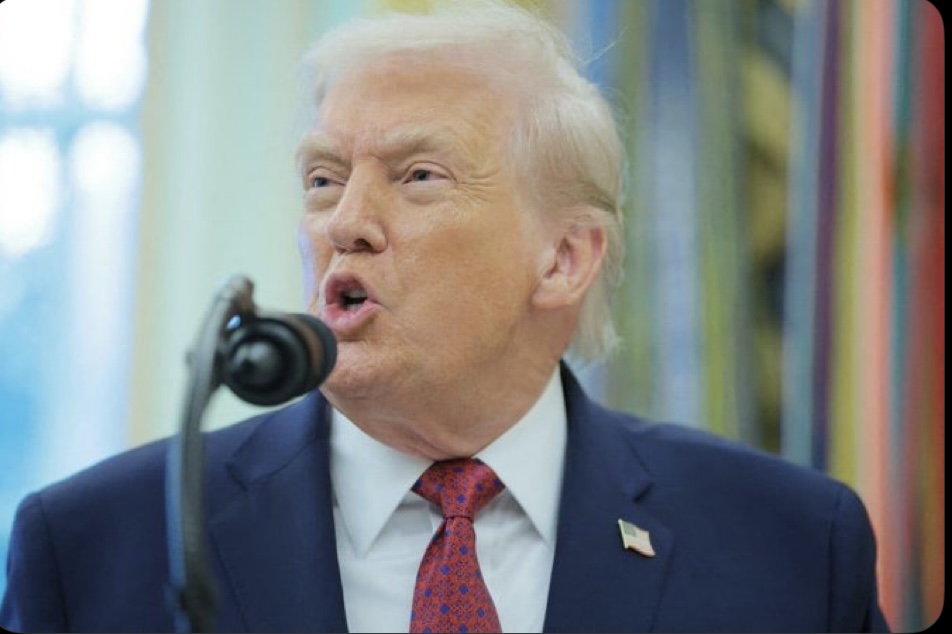
U.S. President, Donald Trump has signed an executive order directing federal agencies to begin the process of reclassifying marijuana as a less dangerous drug, marking a significant shift in long-standing U.S. drug policy
The order instructs the Department of Justice and the Drug Enforcement Administration (DEA) to move marijuana from Schedule I, the most restrictive category under the Controlled Substances Act, to Schedule III. Schedule I drugs are defined as having no accepted medical use and a high potential for abuse, while Schedule III substances are considered to have moderate to low potential for dependence and recognized medical value. Announcing the decision, Trump described the move as a “common-sense adjustment” that aligns federal policy with scientific evidence and the realities in many U.S. states, where marijuana is already legal for medical use and, in some cases, recreational purposes. If fully implemented after the required regulatory process, the reclassification is expected to ease restrictions on medical research, allowing scientists and universities greater access to study cannabis and its potential therapeutic benefits. It could also provide financial relief to legal cannabis businesses, particularly through changes to federal tax rules that currently penalize companies dealing in Schedule I substances. However, the executive order does not legalize marijuana at the federal level. Recreational use remains illegal under federal law, and the order does not automatically expunge past marijuana-related convictions or change existing criminal sentences. Full implementation will depend on the completion of a formal rule-making process by the DEA, which could take months. The decision has sparked mixed reactions across the political spectrum. Cannabis reform advocates and medical professionals have welcomed the move as long overdue, arguing that marijuana should never have been classified alongside drugs such as heroin. They say the change could improve patient access to treatment and accelerate medical breakthroughs. On the other hand, some Republican lawmakers and conservative groups have criticized the order, warning that it could encourage drug abuse, send the wrong message to young people, and raise public safety concerns, particularly around impaired driving. Market reaction was also cautious, with several cannabis stocks dipping after the announcement as investors noted that the order stops short of broader reforms such as federal legalization, interstate commerce, or comprehensive banking access for the industry. The executive order represents one of the most consequential federal actions on marijuana policy in decades and reflects growing public support for reform. While its long-term impact will depend on regulatory follow-through and future legislative action, the move signals a clear shift in Washington’s approach to cannabis regulation.