

United States Imposes Partial Travel Ban on Nigeria Over Security, Documentation Issues
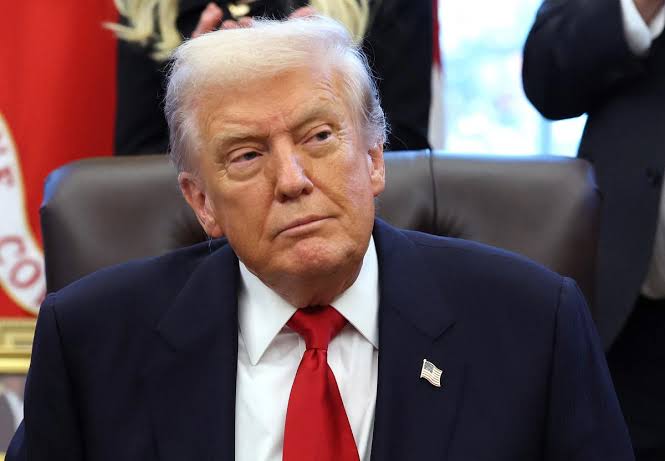
The United States government has placed Nigeria on a newly updated list of countries subject to partial travel limitations, a move attributed to concerns bordering on security screening and the reliability of travel documentation.
The decision was made public on Tuesday following the issuance of a presidential proclamation by the White House, which reviewed and adjusted America’s existing travel control framework.
According to the announcement, the revised measures do not amount to a blanket ban on Nigerian travellers but instead introduce tighter conditions for specific categories of visas and entrants.
U.S. officials explained that the action forms part of a broader effort to strengthen border management, improve vetting procedures, and ensure that countries seeking access to the American travel system meet certain baseline standards.
The proclamation followed an inter-agency assessment involving the Departments of Homeland Security, State, and other relevant security bodies.
This review reportedly examined how foreign governments share information, issue identity documents, and cooperate with U.S. authorities on immigration and counterterrorism matters.
Nations found to have gaps in these areas were either placed under full restrictions or, as in Nigeria’s case, partial limitations.
While detailed visa categories affected were not immediately spelled out in the initial White House briefing, officials stressed that humanitarian travel, diplomatic engagements, and certain other exceptions would still be accommodated.
The U.S. government also indicated that the restrictions are not intended to be permanent, noting that affected countries could be removed from the list once identified concerns are addressed.
In Nigeria, the development has sparked conversations among policymakers, travel industry stakeholders, students, and families with transnational ties. Nigeria maintains one of the largest African diasporas in the United States, with strong links in education, business, healthcare, and technology.
Analysts say even partial restrictions could have implications for academic admissions, professional mobility, and family reunification if not clarified promptly.
Diplomatic sources suggest that engagement between Abuja and Washington is expected to intensify in the coming weeks, as Nigerian authorities seek further details and work toward resolving the highlighted issues. Historically, similar U.S. measures have been reviewed or lifted after improvements in data sharing, passport security, and compliance with international travel standards.
The White House emphasized that the updated travel policy is part of a global security approach rather than a country-specific sanction, reiterating that cooperation and reform remain the fastest pathway to easing restrictions.
As discussions continue, many Nigerians will be watching closely for official guidance on how the changes will affect travel plans and visa processing going forward.