

Rep Raises the Alarm Over Discrepancies in Gazetted Tax Laws, Demands Probe
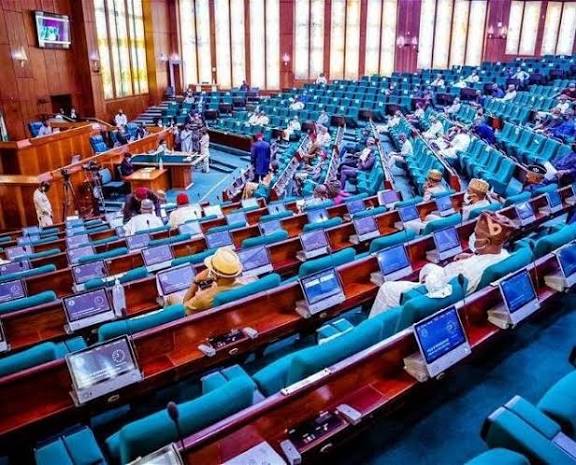
A member of the House of Representatives, Hon. Abdulsammad Dasuki (PDP, Sokoto), has raised serious concerns over what he described as inconsistencies between tax laws passed by the National Assembly and the versions later gazetted and released to the public.
The lawmaker brought the issue before the House on Wednesday through a matter of privilege, warning that the situation poses grave risks to Nigeria’s legal and fiscal framework.
According to Dasuki, the integrity of the legislative process is threatened if laws duly debated, amended and approved by lawmakers are altered or published in a form that does not accurately reflect the resolutions of parliament.
He explained that tax laws, in particular, have far-reaching implications for government revenue, business operations and citizens’ obligations, making accuracy and transparency non-negotiable.
The lawmaker noted that since the recent passage and assent to a number of tax reform laws, concerns have emerged from professionals, businesses and state governments regarding certain provisions in the gazetted documents. These provisions, he said, appear to differ in wording, structure or substance from what legislators approved during plenary.
Such discrepancies, Dasuki warned, could create confusion among tax administrators and taxpayers, potentially leading to disputes, uneven enforcement and loss of public confidence.
He stressed that the gazette represents the authoritative version of the law relied upon by courts, ministries and regulatory agencies. Any inconsistency between the gazetted text and the version passed by the National Assembly, he argued, raises questions about due process and accountability within the legislative and executive chain.
Dasuki therefore called for an immediate explanation from the appropriate authorities on how the differences emerged and whether any unauthorised changes were introduced after passage.
In his submission, the Sokoto lawmaker urged the House leadership to mandate a thorough comparison of the enrolled bills transmitted for presidential assent, the copies signed into law and the versions subsequently published in the official gazette.
He also recommended that relevant committees be directed to investigate the matter and report back to the House with clear findings and recommendations.
Legal experts say unresolved inconsistencies in statutory texts could expose the government to lawsuits and delay implementation of key reforms.
Analysts also warn that uncertainty surrounding tax laws may discourage investment and complicate compliance for businesses already grappling with economic pressures.
As the House considers the next steps, Dasuki maintained that restoring confidence in the legislative process must be treated as a priority. He emphasized that Nigerians deserve assurance that laws passed in their name are faithfully preserved from debate to publication, without alteration or ambiguity.