



Kemi Badenoch Vows to Scrap UK’s Petrol, Diesel Car Ban
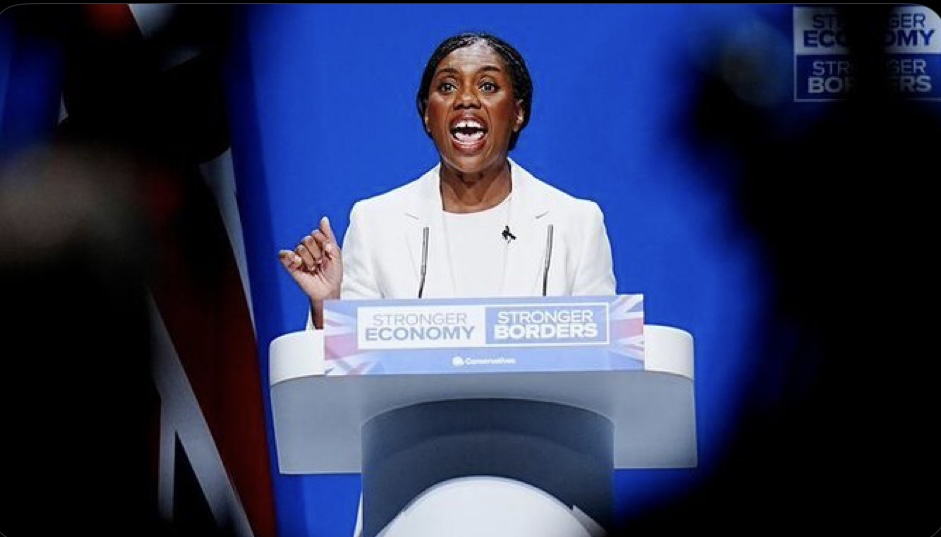
Kemi Badenoch, leader of the UK Conservative Party, has made a bold pledge to scrap the planned ban on the sale of new petrol and diesel cars if her party wins the next general election.
The announcement has intensified the debate over the UK’s environmental policies, industrial competitiveness, and the future of its automotive industry. The proposed ban, part of the government’s Zero Emission Vehicle (ZEV) strategy, is currently set to take effect by 2030, effectively ending the sale of new petrol and diesel vehicles in the country. Supporters of the policy argue it is a necessary step to reduce greenhouse gas emissions and meet the UK’s legally binding net-zero targets by 2050. Critics, however, have warned that the ban could negatively impact the domestic car industry, increase costs for consumers, and disadvantage UK manufacturers in the global market. In an opinion piece published in The Sunday Telegraph, Badenoch described the ban as “well-meaning but ultimately destructive.” She emphasized that while the policy aims to tackle climate change, it risks harming British carmakers and ceding market advantage to foreign competitors, particularly China, which dominates global battery production and the electric vehicle supply chain. Badenoch argued that scrapping the ban would provide the UK automotive sector with the opportunity to rebuild and compete effectively, protecting jobs and fostering economic growth. The Conservative leader’s stance sets her party apart from Labour, which has consistently backed retaining or strengthening the 2030 petrol and diesel car ban as part of its commitment to reducing emissions. Environmental groups have also criticized Badenoch’s proposal, warning that rolling back the policy could undermine the UK’s climate ambitions and reduce its global leadership in sustainable transport. Badenoch’s pledge comes amid broader debates across Europe regarding the transition to electric vehicles. Several European Union policymakers are reconsidering deadlines for phasing out petrol and diesel cars, including proposals to extend hybrid vehicle allowances. These discussions reflect growing concerns over economic competitiveness, consumer affordability, and the readiness of global supply chains to support a rapid shift to electric mobility. Industry leaders in the UK have largely welcomed Badenoch’s proposal. They argue that a complete ban on petrol and diesel cars could have serious consequences for domestic car manufacturing, supply chains, and consumer choice. British automakers face significant challenges in adapting to the global shift toward electric vehicles, and many warn that overly ambitious timelines risk economic disruption. At the same time, the issue has become a significant political battleground as the Conservatives prepare for the next general election. Badenoch’s promise to scrap the ban appeals to voters concerned about rising car prices, job security in the manufacturing sector, and the perceived overreach of environmental policies. The move highlights the tension between economic priorities and climate commitments, a debate that is expected to dominate the UK political landscape in the coming months. While the long-term effects of such a policy shift remain uncertain, Badenoch’s pledge has already sparked intense discussion among politicians, industry stakeholders, and environmental advocates. The decision could have far-reaching consequences for the UK’s automotive market, energy policy, and international climate reputation. As the general election approaches, the debate over petrol and diesel cars is likely to remain a focal point, reflecting broader questions about the balance between economic growth, industrial strategy, and environmental responsibility.