

Nigeria’s Political Class Sabotaging National Progress, Fumes Emir Sanusi
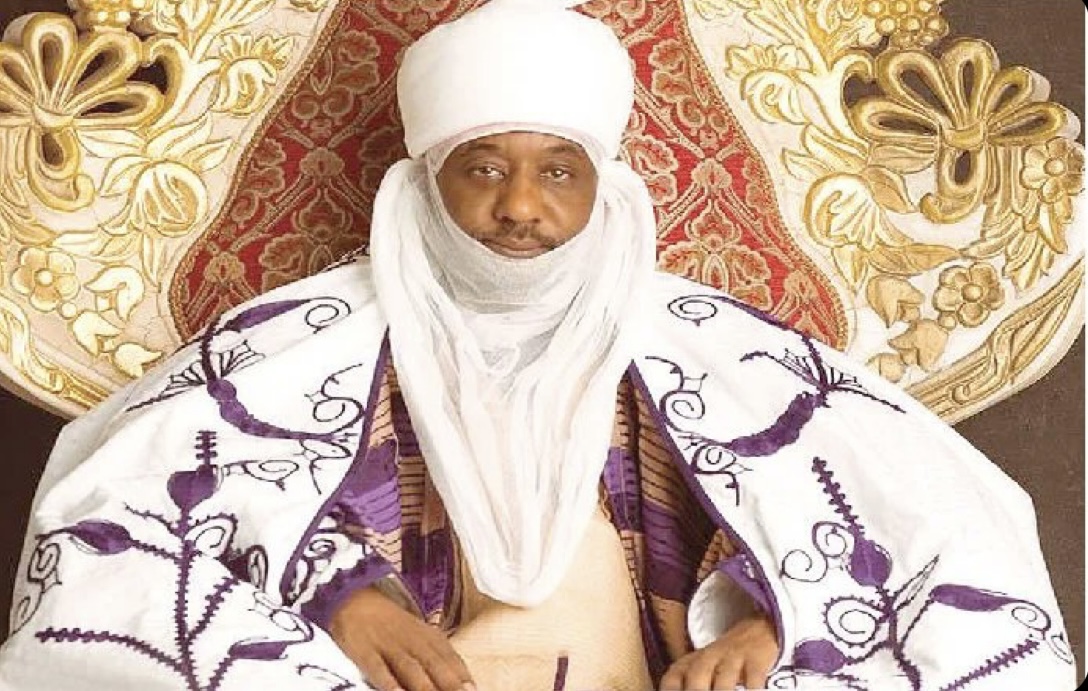
The Emir of Kano, Muhammadu Sanusi II, has sounded a stern warning over what he described as deliberate sabotage of Nigeria’s development by the nation’s political elite.
Speaking at the 15th anniversary of Enough is Enough (EiE) Nigeria, a civic advocacy organization, the Emir highlighted how self-interest, nepotism, and mismanagement have continued to undermine the country’s potential. According to Sanusi, Nigeria’s political class has transformed public office into a platform for personal enrichment and family dominance rather than a means to serve the people. “The political elite treat public office as a family business, not as a responsibility to advance the interests of the citizens,” he said. “Opportunities for national progress are not just missed; at times, they are deliberately squandered because leaders prioritize themselves and their close associates. The Emir emphasized that the dysfunctional system prevailing in Nigeria is sustained by leaders who place personal and ethnic interests above national development. He argued that the lack of accountability, coupled with a culture of corruption and political patronage, has stifled the country’s growth and prevented it from realizing its full potential on the global stage. Sanusi called on Nigerian youths and citizens to reject the entrenched political order and actively push for reforms. “The nation belongs to the people, not politicians. Citizens must envision a new Nigeria built on unity, transparency, and ethical governance,” he urged. He stressed that youth engagement and civic responsibility are critical to challenging a system that has long benefited the few at the expense of the majority. The Emir’s comments resonate with his previous critiques of Nigeria’s leadership landscape. Over the years, Sanusi has consistently highlighted issues such as the erosion of moral values among leaders, weak institutional frameworks, and the tendency of public office to serve private ambitions rather than public welfare. Analysts say his statements underscore a growing public sentiment that the country’s leadership needs deep structural reforms to address corruption, inequity, and governance failures Sanusi also urged Nigerians to rise above ethnic and religious divisions, noting that unity across diverse groups is essential for meaningful development. He criticized leaders who exploit societal divisions to consolidate power, emphasizing that a truly prosperous Nigeria requires leaders with integrity, vision, and a genuine commitment to the welfare of all citizens. The Emir’s intervention comes at a time of heightened public frustration over economic hardship, insecurity, and perceived governance failures. Civil society organizations and advocacy groups have welcomed his remarks, saying they reinforce calls for political accountability and reform. Observers believe that his voice adds moral weight to the ongoing national discourse about leadership, corruption, and Nigeria’s path toward sustainable development. In conclusion, Sanusi urged Nigerians, especially the younger generation, to reject a system that has long failed the people and to actively participate in shaping a future where public office serves the common good. “We must imagine a Nigeria where leadership is a trust, not a personal enterprise,” he said, emphasizing that the country’s progress depends on the citizens’ courage to demand accountability and meaningful change.