
Guinea-Bissau Junta Bars Coup Leader From Presidential Elections
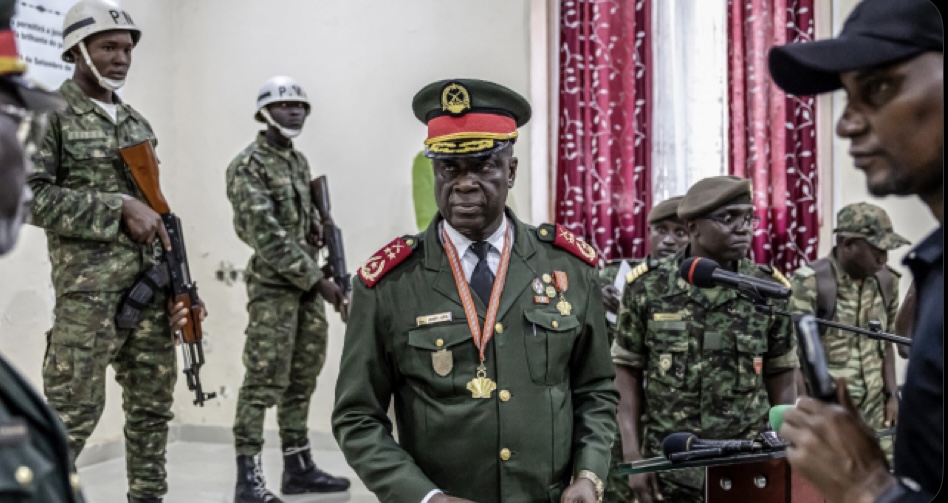
The military junta that seized power in Guinea-Bissau last month has announced that the senior officer who led the recent coup will be barred from contesting any future presidential election.
The move is framed by the junta as a measure to prevent those in power during the transition from using their positions to gain political advantage, but critics warn it raises serious questions about the fairness and legality of the country’s return to civilian rule The takeover occurred on 26–27 November 2025, when armed forces stormed key government buildings, detained President Umaro Sissoco Embaló, and suspended the announcement of the official results of the November 23 general election. Following the coup, the junta installed Major-General Horta N’Tam as the transitional head of state, effectively placing the military at the center of political authority In a statement, the junta declared that anyone who serves in the interim administration or participates in the transition would be prohibited from contesting the next presidential election. According to the military, this restriction is intended to ensure that the transition period is not exploited by armed actors seeking political power. Legal experts and opposition figures have criticized the move, pointing out that the junta has no constitutional mandate to set electoral rules, and enforcing such restrictions in practice may be extremely difficult given the country’s weak institutions and limited transparency. The coup followed a highly contested election. On 23 November, voters participated in presidential and legislative elections amid claims of irregularities. Both President Embaló and his main challenger, independent candidate Fernando Dias da Costa, claimed victory, while the electoral commission struggled to collate results. On the day results were expected, armed forces stormed the electoral commission’s offices, destroying servers and tally sheets, making it impossible to verify the official outcome. The military justified its intervention by citing alleged political instability and threats to national security, including attempts by criminal networks to influence the election Guinea-Bissau has a long history of political instability, with multiple coups since independence in 1974. Observers warn that the latest takeover may deepen military influence in national politics and undermine prospects for a credible electoral process. The African Union swiftly suspended Guinea-Bissau from its institutions, while ECOWAS sent delegations to negotiate a return to constitutional governance. The United Nations condemned the military takeover, calling it a “serious violation of democratic norms” and urging the release of detained leaders. As Guinea-Bissau prepares for a future election, analysts are closely monitoring the credibility of the transitional process. With destroyed election results, limited independent oversight, media restrictions, and curbs on civil liberties, the environment for a free and fair election remains uncertain. The junta’s ban on coup leaders from contesting future elections may offer a symbolic nod to accountability, but without broader institutional and electoral reforms, confidence in the process is unlikely to be restored. The coming weeks will be critical for Guinea-Bissau as the military navigates the delicate transition. The international community, particularly ECOWAS, the African Union, and former colonial power, Portugal, is expected to continue pressuring the junta to set a clear timetable and ensure a genuinely democratic process. The country’s political future now depends on whether the military will facilitate a fair transition or consolidate its influence under the guise of legality, continuing a pattern of instability that has long defined Guinea-Bissau’s history.