

Reps Sound the Alarm Over Violations of PIA Decommissioning Rules
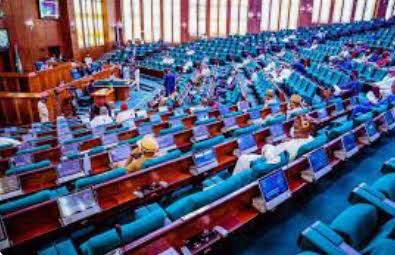
The House of Representatives has raised serious concerns over what it described as the systematic breach of decommissioning and abandonment requirements enshrined in the Petroleum Industry Act (PIA).
The alarm was sounded by the Ad‑hoc Committee on Decommissioning and Abandonment in the oil and gas sector, after hearing submissions from regulatory agencies tasked with overseeing compliance.
During a resumed investigative hearing, top officials from the Nigerian Upstream Petroleum Regulatory Commission (NUPRC) and the Nigerian Midstream and Downstream Petroleum Regulatory Authority (NMDPRA) appeared before the committee — albeit not by their chief executives themselves, but by senior representatives bearing letters of delegation.
The scrutiny is in response to mounting evidence that many oil and gas operators, as well as the responsible regulators, have failed to fully implement the decommissioning and abandonment (D&A) guidelines provided under Sections 232 and 233 of the PIA 2021.
The committee pointed out that a huge liability — estimated at around **US$ 20 billion** — has accrued due to decades of ageing oil infrastructure that remains un‑dismantled, abandoned, or poorly maintained.
According to the committee, the omissions are not mere technicalities but pose real environmental, fiscal, and social risks. Left unattended, idle wells, pipelines, flow stations and other oil facilities could degrade the environment, pollute farmland and waterways, and expose local communities to health hazards.
In their defence, representatives of NUPRC and NMDPRA offered a variety of explanations for the slow pace of compliance.
They cited legal bottlenecks — especially concerns involving the Ministry of Justice — regulatory and fiscal complications with escrow accounts, and coordination challenges between institutions including the Central Bank of Nigeria.
Nonetheless, the committee’s chair, Bassey Ekpenyong, expressed deep dissatisfaction.
He insisted that the delay in enforcement amounts to a violation of both the PIA and older guidelines governing oil‑sector decommissioning. He emphasized that the law had long provided for the decommissioning of obsolete facilities and demanded that regulators move swiftly to ensure full compliance.
For decades, critics have warned that deferring decommissioning obligations would eventually saddle the government — or worse, local communities — with the cost and burden. The current inquiry by the House aims to determine whether operators have filed valid D&A plans, whether escrow and abandonment funds have been properly constituted, and whether regulators have enforced the law rigorously.
The outcome of this probe will likely influence whether additional institutional reforms are required — or whether existing regulatory bodies can still effectively manage decommissioning, abandonment, and environmental remediation across Nigeria’s oil and gas industry.
As the investigation continues, many stakeholders — particularly host communities — are watching closely, hoping that the enforcement of PIA’s decommissioning provisions will finally put to rest decades of neglect and environmental degradation.