


Uranium Deposit Confirmation in Kogi, Plateau Renews Nigeria’s Nuclear Power Push
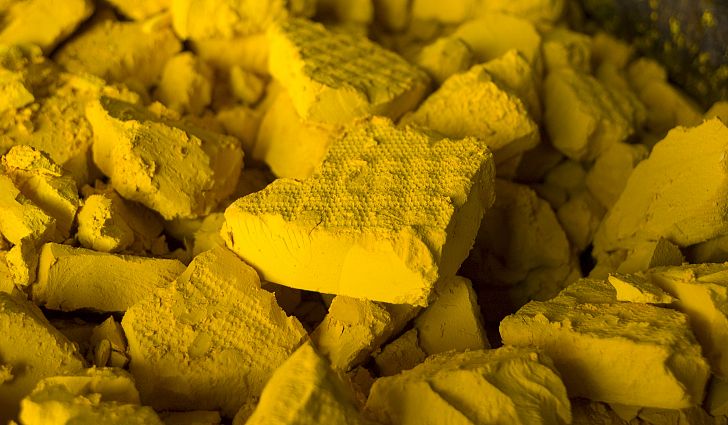
North Central Nigeria’s potential as a future hub for nuclear energy has gained fresh impetus following renewed attention to confirmed uranium deposits in Kogi and Plateau States, sparking discussions on how the region fits into the country’s long-term electricity plans.
Geological reports indicate uranium occurrences in Lokoja (Kogi) and in parts of Mikang, Pankshin, and Wase (Plateau State).
Although commercial mining has not yet started, the discoveries are drawing interest from policymakers and energy regulators.
Speaking on the development, Dr. Yau Usman Idris, Director-General of the Nigerian Nuclear Regulatory Authority (NNRA), said the deposits strengthen Nigeria’s prospects for diversifying its energy mix through nuclear power.
He noted that the North Central region offers the right combination of geological stability, mineral availability, and grid access, making it suitable for future nuclear infrastructure.
Nigeria has continued to develop its nuclear framework through the NNRA, partnerships with the International Atomic Energy Agency (IAEA), and earlier feasibility engagements with Rosatom.
The country also runs a research reactor at Ahmadu Bello University, Zaria, which forms part of its nuclear-capacity development.
Industry watchers say the uranium deposits could support the emergence of a North Central Nuclear Energy Corridor, helping to boost electricity supply, stabilise the grid, and power industries vital to economic growth.
Although the federal government has yet to announce a final site for the country’s first nuclear power plant, energy experts say the emerging data continues to place the North Central zone firmly on the radar.
If fully harnessed, stakeholders believe the region could play a defining role in shaping Nigeria’s transition to cleaner and more reliable power sources.