


Conflict Driving Child Malnutrition in Benue State, Deepening Crisis
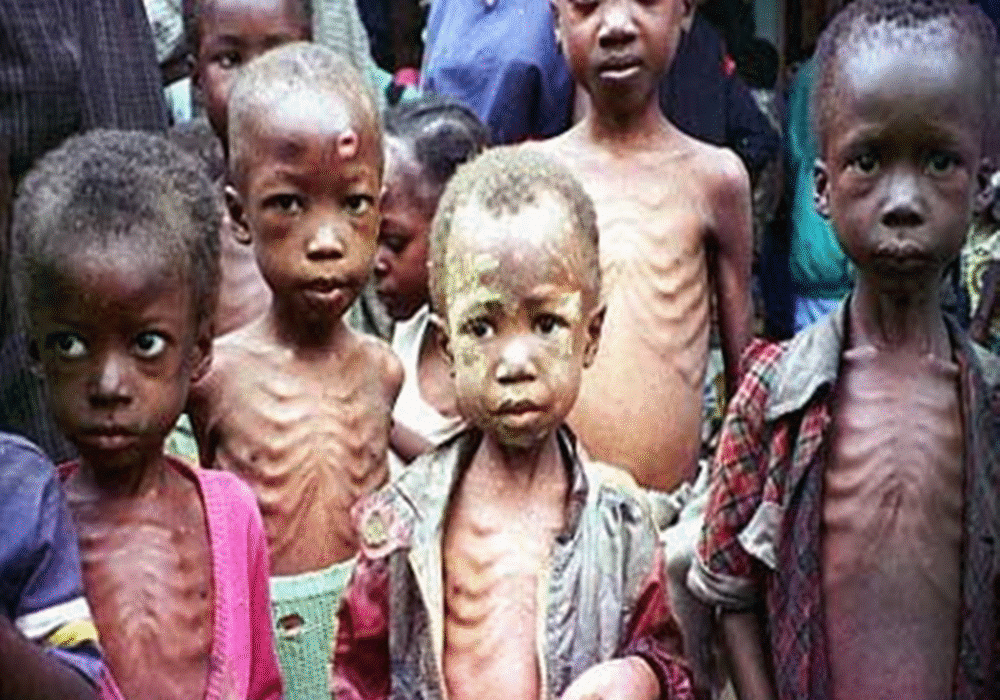
The resurgence of violence in Benue State particularly communal clashes between herders and farmers has triggered a sharp rise in child malnutrition, especially among those displaced into camps.
As insecurity forces families from their homes, destructive impacts on agriculture, access to food, and essential services are undermining children’s health and survival prospects across the region.
In recent years, recurrent attacks, killings, and kidnappings have forced many communities in Benue to abandon farmlands, disrupting cultivation and underlying livelihoods. Without stable farming and regular income, families struggle to feed themselves — and the scarcity of food has pushed vulnerable children to the brink.
Millions of displaced persons — including women and children — now rely heavily on humanitarian support. Yet many camps lack adequate food distribution, clean water, and healthcare. Recent screenings in IDP camps in Benue found a worrying share of children classified as moderately or severely malnourished.
In one camp, children were assessed using the mid-upper arm circumference (MUAC) test: many fell into the “at-risk” or “severely malnourished” categories — red flags indicating urgent nutritional danger.
Beyond food scarcity is limited access to basic health and hygiene services.
Displacement often means families lose access to safe water, sanitation facilities, and medical care. Such conditions raise the likelihood of diseases such as diarrhoea and malaria — illnesses that worsen nutritional problems by preventing absorption of nutrients and weakening immune systems.
The disruption caused by conflict thus creates a vicious cycle where undernourishment and disease reinforce each other.
Furthermore, insecurity has drastically diminished the capacity of parents to sustain their families. With farmland burned or abandoned, markets disrupted, and trade routes unsafe, earning a stable income becomes nearly impossible.
As a result, many households live in abject poverty — unable to afford nutritious food even when it is available.
Empirical research underscores the link between exposure to armed conflict and poor nutritional outcomes among children.
Children who experienced frequent conflict — and whose communities suffered conflict-related fatalities — had significantly higher odds of being stunted or underweight compared with peers from peaceful zones.
What is unfolding in Benue is not just a food shortage — it is a full-fledged humanitarian emergency with long-term implications.
Malnutrition in early childhood can impair physical and cognitive development, reducing life chances and trapping generations in poverty.
Without urgent, robust interventions, the displaced children in Benue may suffer irreversible harm.
Efforts to address this crisis require a multifaceted approach. Firstly, restoring security so that families can return to their farms and re-establish stable livelihoods — is essential. At the same time, humanitarian agencies and government bodies must scale up nutrition support: distributing fortified foods, therapeutic feeding for severely malnourished children, and micronutrient supplements for pregnant women and young children.
Additionally, mobile health clinics and safe water/sanitation facilities should be provided in displacement camps to reduce disease burden and support recovery.
Benue State — once hailed as Nigeria’s “food basket” — is now fighting hunger and malnutrition due largely to conflict.
The health of its children, and the future of entire communities, depend on restoring peace and rebuilding food systems before the crisis deepens further.