



South‑East Nigeria Under Throes of Killings, Forced Disappearances
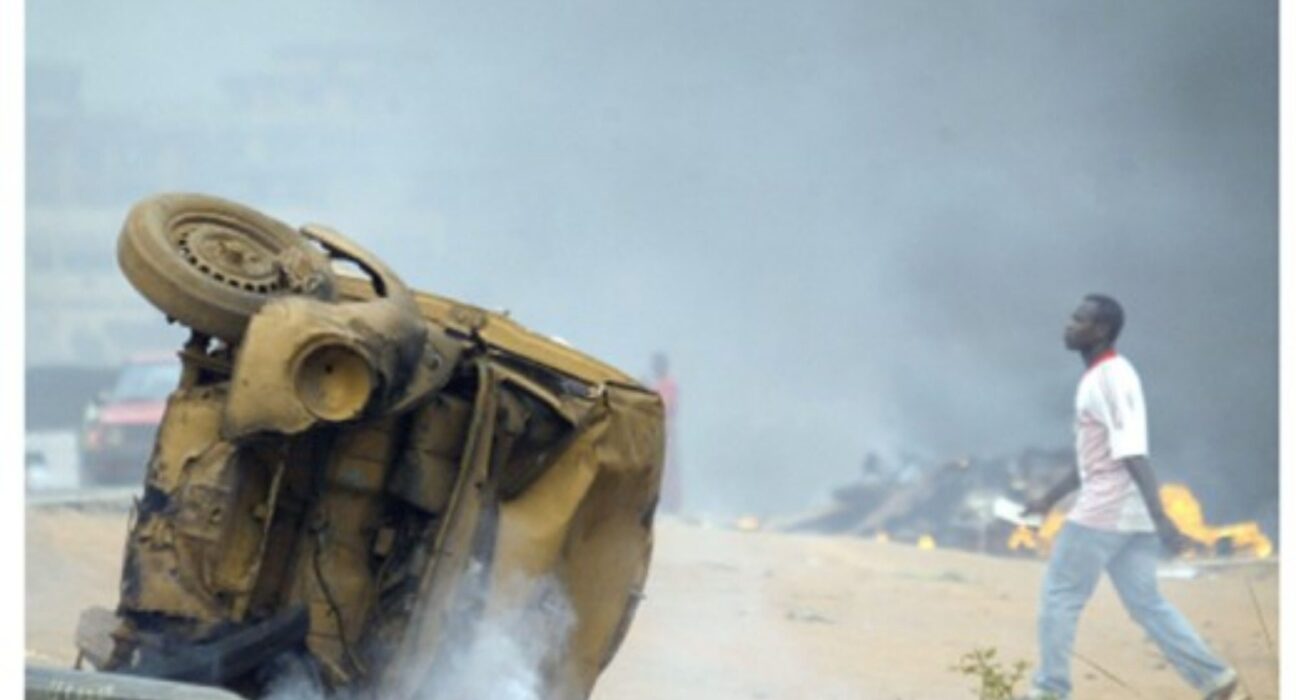
Families across multiple states in South‑East Nigeria continue to mourn loved ones reportedly lost to extrajudicial killings, enforced disappearances, and brutal raids, according to a new report by Amnesty International Nigeria.
The findings paint a grim picture of widespread violence, institutional failure, and impunity.
Between 2021 and 2023, thousands of people were killed across the region. In some areas, the brutality has been especially severe, with hundreds of deaths reported in Imo State alone during that period.
The perpetrators are varied, including armed “unknown gunmen,” cult gangs, criminal networks, state‑backed paramilitary forces, vigilantes, and in some cases, regular security agencies.
Communities such as Agwa and Izombe in Oguta Local Government Area of Imo State have reportedly been turned into de facto “ungoverned spaces.” Gunmen are said to have effectively seized control — traditional rulers have fled, police and vigilante offices have been destroyed, and residents displaced. Homes have been burnt, markets deserted, and daily life paralysed by fear.
Other states in the South-East — including Abia, Ebonyi, Enugu, and Anambra — are also affected, with many communities experiencing violence, disappearances, and displacement.
The breakdown in security appears systemic. Episodes of violence often involve multiple actors — some with alleged state backing — and occur even in areas supposedly under police or military watch.
This tangled ecosystem of criminal, political, and state‑linked violence is complex and not easily reducible to simple narratives.
Residents and survivors describe harrowing episodes: gunmen storming villages, demanding ransom at burials and weddings, shooting or attacking anyone who resists, burning houses at night, and forcing entire families to flee.
Despite the severity of the abuses, accountability remains elusive. A lack of transparent investigations, prosecutions, or reparations for victims continues to erode trust and safety across communities.
Amnesty International Nigeria is calling on federal and state authorities to implement urgent and comprehensive measures: open, impartial investigations; prosecution of those responsible regardless of affiliation; protection of civilians; and restoration of safety, dignity, and the rule of law — so that residents can return home without fear, communities can rebuild, and families can find justice and closure.
The report is a stark reminder of the human cost behind statistics. For many families in the South‑East, the loss is not just of lives — but of communities, homes, and a sense of security that may take years to rebuild.