Buhari Threatened to Sack Me Over Petrol Subsidy Removal – Kachikwu
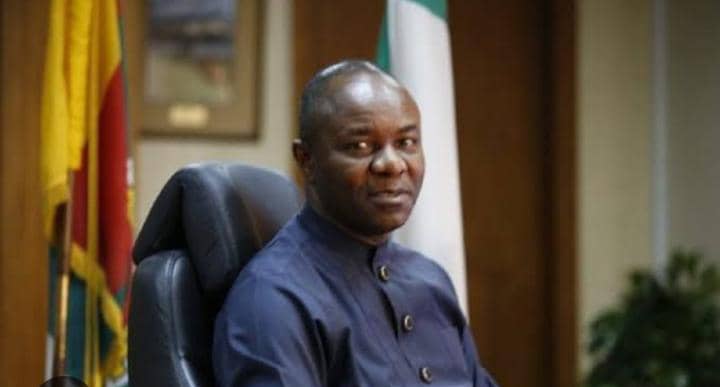
Former Minister of State for Petroleum Resources, Dr. Ibe Kachikwu, has revealed that ex-President Muhammadu Buhari once threatened to sack him over his push to remove petrol subsidy during his tenure as Group Managing Director (GMD) of the Nigerian National Petroleum Corporation (NNPC).
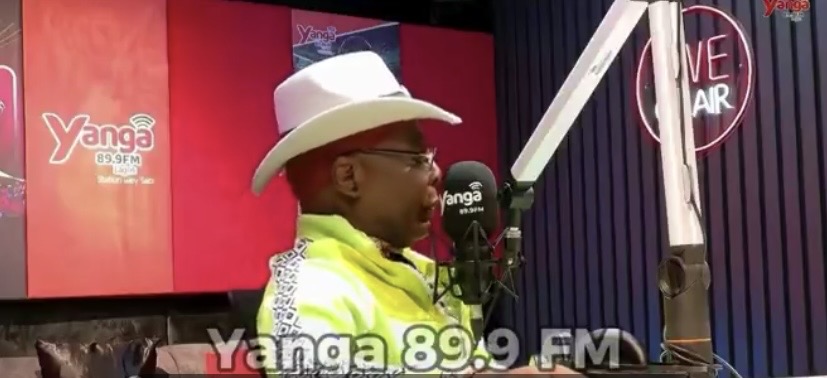
Speaking in a recent interview, Kachikwu recounted the tense battles he faced in tackling the recurring fuel scarcity that crippled the country shortly after he assumed office.
“The greatest challenge I had when I resumed as GMD was the issue of long queues at petrol stations. Very few Nigerians realise how traumatic it is for a minister or a GMD who is committed to wake up and find the whole country grounded,” Kachikwu said.
“Of course, I would go to filling stations, try to help them fill, and ensure there were no unnecessary traffic obstructions. At the end of the day, every time that happened, I had no sleep.”
The former minister said he repeatedly appealed to Buhari to approve a price adjustment that would effectively remove subsidy and resolve the crisis. However, Buhari, known for his populist stance on petrol pricing, strongly resisted the idea.
According to Kachikwu, the breakthrough only came after Buhari reluctantly gave him the green light on the condition that his job would be on the line if the decision backfired.
“I went to the President many times and said, ‘Look, I need to move up on price.’ He resisted very much because of his populist position. Eventually, he said, ‘Okay, you know what? I’ll leave you to take the risk. If it works, fine. If it doesn’t, I’ll fire you.’ That was good enough for me and I did.”
Kachikwu explained that the price adjustment immediately ended the subsidy regime at the time and brought an end to the nationwide queues.
“That singular price adjustment removed the subsidy. There was no more subsidy. And within 48 hours, magically, every queue in the country stopped. It never happened again until I left. That was how I could at least sleep better, and the government made more money.”
He added that he also refused to pay subsidy arrears because of doubts over the transparency of claims submitted by marketers.
“We didn’t pay the arrears of subsidy because my position was that I could not audit the transparency of the subsidy claims. So, I preferred not to deal with those issues.”
However, after Kachikwu left office, the controversial subsidy re-emerged, becoming one of the most contentious fiscal issues in Nigeria. Critics argue that the system has long served as a channel of corruption and a cash cow for politically connected cabals, despite its heavy burden on government finances.
Successive administrations have struggled to either fully remove or reform the subsidy, with its economic and political implications continuing to spark debates across the country.