

Kwara Launches Five Year Nutritional Change Plan To Check Habits Driving Malnutrition
The Kwara State Government has unveiled a five year nutrition strategy aimed at tackling the social, cultural and behavioural factors contributing to malnutrition, particularly among women and children.
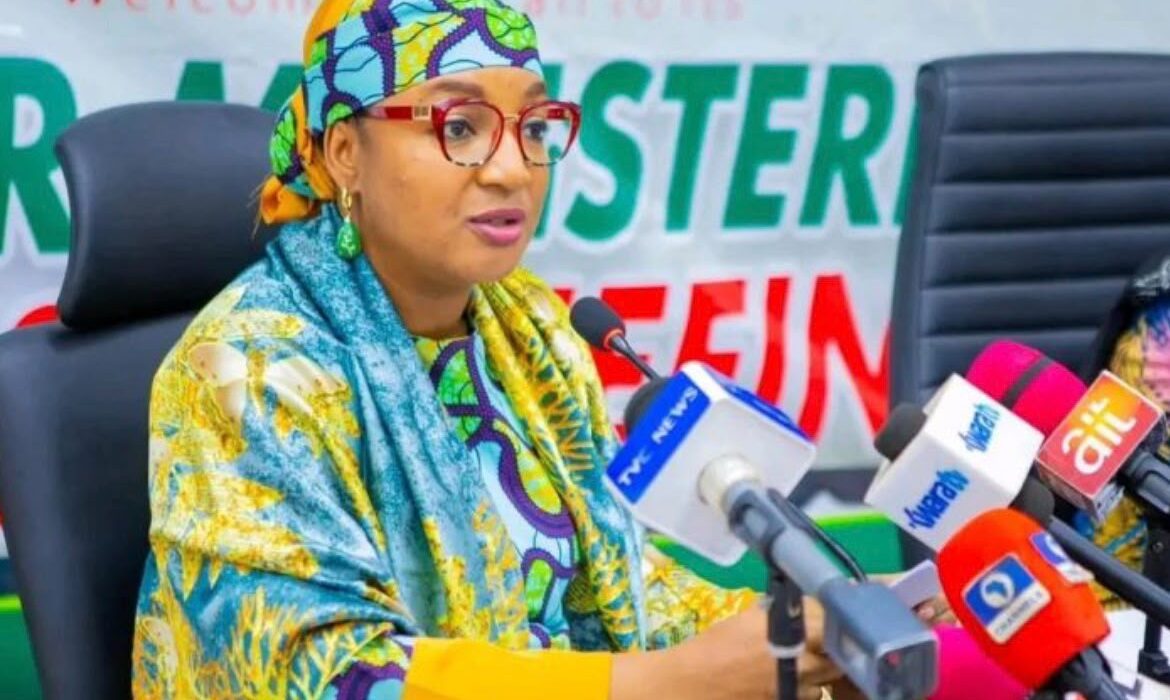
The development was contained in a statement issued on Tuesday by the Assistant Press Secretary, Ministry of Health, Funke Olutemilehin, following the unveiling of the strategy by the Commissioner for Health, Amina El Imam.
The State Social and Behavioural Change Strategy for Nutrition Across the Life Cycle was unveiled at a dissemination meeting held at the ministry’s headquarters on Monday, with representatives of the United Nations Children’s Fund, government ministries, departments and agencies, religious organisations and civil society groups in attendance.
The strategy moves the focus beyond food supply to the habits and beliefs that shape how families feed themselves.
The commissioner said poor nutritional knowledge, harmful traditional beliefs, inadequate dietary practices, gender norms, poor health seeking behaviour and weak community engagement remain major contributors to malnutrition. She said tackling malnutrition takes more than clinics and food supplements, and requires changing the social norms that keep many women and children poorly fed.
El Imam explained that the ministry, with financial and technical support from UNICEF, had successfully domesticated, costed and validated the National Social and Behavioural Change Strategy for Nutrition Across the Life Cycle. She said the framework will promote positive nutrition practices through strategic communication, advocacy, community mobilisation, social norm transformation and stronger intersectoral collaboration.
Highlighting the state’s progress, the commissioner disclosed that findings from the Mini Nigeria Demographic and Health Survey 2025/26 showed that stunting prevalence in Kwara had declined from 40.8 per cent to 35.5 per cent. She said wasting had reduced from 6.1 per cent to 3.5 per cent and underweight from 24.5 per cent to 14.8 per cent.
She attributed the improvements to sustained government commitment and interventions, including Accelerating Nutrition Results in Nigeria 1.0, nutrition promotion campaigns, dietary diversification and micronutrient supplementation. She also listed the distribution of oral rehydration salts and zinc at primary healthcare facilities and community levels among the interventions contributing to the progress recorded.
The commissioner called on ministries, departments and agencies, development partners, traditional and religious institutions, the media and community structures to support the transition to ANRiN 2.0. Mohammed Ibrahim, who is acting as chairman of the state’s food and nutrition committee, disclosed that the government had contributed N100m to the Child Nutrition Fund, which UNICEF leveraged at a one to one ratio to procure 3,964 cartons of Ready to Use Therapeutic Food, while also highlighting advocacy for six month paid maternity leave and sustained investments in primary healthcare.