
UNILAG Becomes Nigeria’s Best-Ranked University in 2027 QS Sustainability Ranking
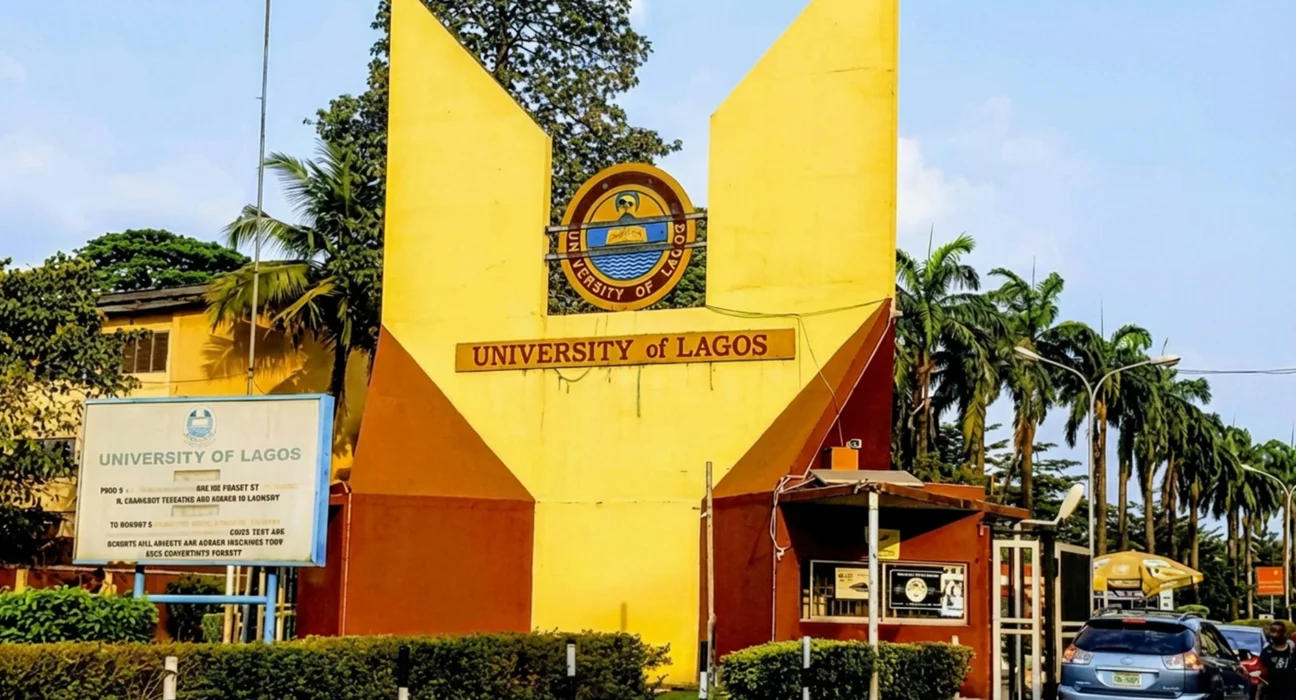
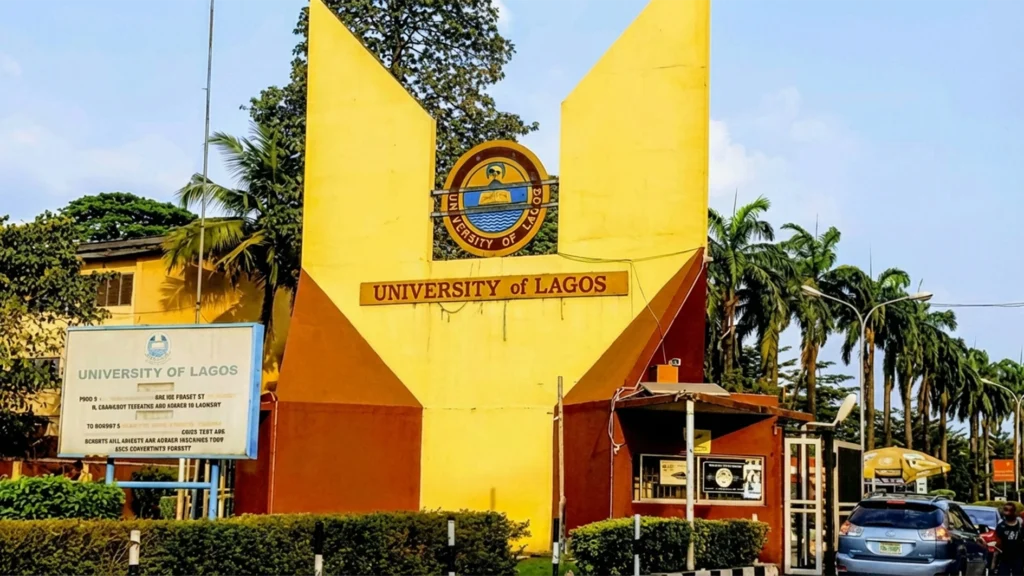
The University of Lagos has emerged as Nigeria’s highest-ranked institution in the 2027 QS World University Rankings: Sustainability, climbing more than 700 places to rank joint 697th globally.
The university’s latest position marks a major improvement from its placement in the 1,401–1,500 bracket in the 2026 edition of the ranking.
The development was announced on Tuesday by the Chairman of the Nigerian Tertiary Education Ranking Advisory Committee, Prof. Peter Okebukola, while presenting the committee’s report to the Minister of Education, Dr Tunji Alausa, in Abuja.
Okebukola said UNILAG recorded the biggest improvement among African universities and ranked among the three institutions globally with the largest year-on-year gains among universities assessed in both editions.
He said the result showed that Nigerian universities could make substantial progress in international rankings when supported by improved conditions and sustained institutional efforts.
UNILAG also recorded higher scores across all 11 indicators used by QS, with notable improvements in environmental education, governance and equality.
Its latest performance places it 14th among the 82 African universities included in the sustainability ranking, ahead of institutions such as the University of Ghana, Makerere University, Addis Ababa University and the University of Nairobi.
The University of Ibadan also recorded an improvement, moving from the 1,301–1,400 range to 1,201–1,250. It ranked joint 495th globally in the Employability and Opportunities category, giving it the highest Nigerian position in that area.
Other Nigerian universities featured in the ranking were Ahmadu Bello University, Zaria; the University of Nigeria, Nsukka; and Obafemi Awolowo University, Ile-Ife. While they remained in the 1,501+ category, the institutions recorded improvements in several assessment areas.
The committee reported that the average performance of the six Nigerian universities included in the ranking increased across all indicators.
Nigeria also improved its continental standing, moving from fourth to sixth? [Correction: the source states Nigeria moved from sixth to fourth.] Nigeria now ranks fourth among African countries based on the position of their highest-ranked university and has the highest-placed university in Sub-Saharan Africa outside South Africa.
Okebukola attributed the improvement to factors including the relative stability of the academic calendar, better remuneration for university staff and increased investment in teaching and research infrastructure, particularly through the Tertiary Education Trust Fund.
He, however, stressed that the gains would need to be sustained through continued industrial harmony, adequate funding and improved working conditions across the university system.
Despite the progress, the committee raised concerns over the limited number of Nigerian institutions represented in the ranking, noting that only six universities made the list out of more than 300 tertiary institutions in the country.
Covenant University, which led Nigerian institutions in the 2026 edition, also dropped to the 1,151–1,200 bracket in the latest ranking.
The committee identified governance, environmental research, equality, environmental sustainability, health and wellbeing as areas requiring further attention by Nigerian universities.
It said some of the gaps could be addressed through stronger institutional policies, proper documentation and greater public disclosure rather than additional funding alone.
Among its recommendations, the committee called on universities to publish council-approved sustainability policies, make audited financial statements and governance documents available online, and establish clear policies covering equality, inclusion, health and wellbeing.
It also proposed the creation of research clusters focused on climate change, energy, water and food security, alongside the appointment of sustainability officers to coordinate universities’ submissions to international ranking bodies.
For the Federal Government, the committee recommended a national sustainability framework for tertiary institutions and dedicated TETFund funding for green campus infrastructure and sustainability research.
It further proposed that the National Universities Commission include sustainability and transparency measures in its accreditation framework.
The committee said it would facilitate a peer-learning programme through which UNILAG could share its experience with other Nigerian universities, while also organising annual capacity-building programmes for academic planning and ranking officers.
Nigeria’s target, according to the committee, is to have at least 10 universities represented in the 2028 sustainability ranking, with three among the global top 1,000.
By 2030 and 2031, the committee wants at least 20 Nigerian universities represented, including eight in the top 1,000, while the country’s leading institution is expected to break into the global top 400.
The QS World University Rankings: Sustainability measures universities’ environmental, social and governance performance, examining areas including research, teaching, campus operations and contributions to society.
Okebukola congratulated UNILAG, the University of Ibadan and Covenant University, while stressing that stronger ranking positions should ultimately translate into improvements in the quality of university education.