



Nigeria Has Moved Beyond Economic Reform Emergency, Declares Tinubu
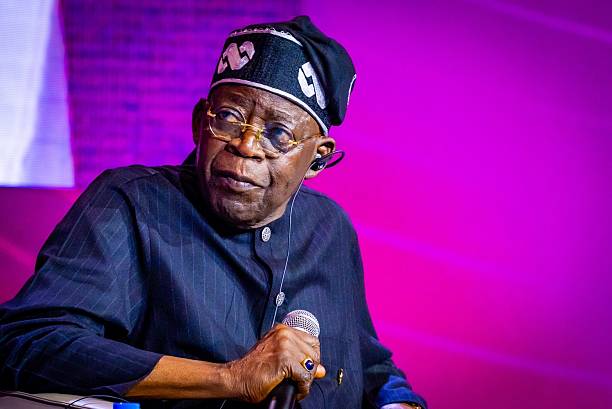
President Bola Tinubu has declared that Nigeria has moved beyond the emergency phase of its economic reforms, saying the Federal Government is now focused on converting gains from economic stabilisation into increased production, job creation and improved living standards.
Tinubu said the next phase of his administration’s economic programme would prioritise expanding productive capacity, improving electricity supply, boosting domestic production and providing affordable housing. He spoke on Thursday through the Speaker of the House of Representatives, Tajudeen Abbas, who represented him at the presentation of Economic Diversification and Structural Transformation in Nigeria: The Past, The Present, The Future, authored by lawmaker Abdulmumini Kofa, at the State House Conference Centre, Abuja.
The President said the reforms introduced since he assumed office in May 2023 had begun to produce measurable results, citing external reserves of about $55 billion, more than 14 months of import cover and non-oil exports exceeding $6 billion. He also said non-oil activities now account for about 96 per cent of Gross Domestic Product, while non-oil revenue increased from N13.63 trillion in 2023 to N16.4 trillion in the first half of 2026.
Tinubu, who wrote the foreword to the book, said the administration was targeting a $1 trillion economy by 2030 under the Medium-Term National Development Plan 2026–2030. He, however, acknowledged that improved economic indicators alone would not be enough to justify the sacrifices Nigerians had made, stressing that the success of the reforms would ultimately be measured by their effect on households and businesses.
Meanwhile, Anambra State Governor, Chukwuma Soludo, said Nigeria’s current growth rate of about four per cent was insufficient to achieve rapid industrialisation, reduce poverty significantly or create enough jobs for the country’s growing population.
Soludo said the country must record double-digit growth and attract investment exceeding 30 per cent of GDP to achieve its economic ambitions.
Soludo, a former Governor of the Central Bank of Nigeria, also warned that Nigeria’s fiscal capacity remained too weak to finance the level of investment required for structural transformation. He said the N68 trillion national budget translated to roughly N772 per Nigerian per day, arguing that despite its large headline figures, Nigeria remained a resource-rich but financially constrained country.
He called for sustained industrialisation, a competitive exchange-rate policy and reforms that would continue beyond electoral cycles.