Customs, EFCC, NDLEA, Others Join Forces To Tackle Money Laundering, Terrorism Financing
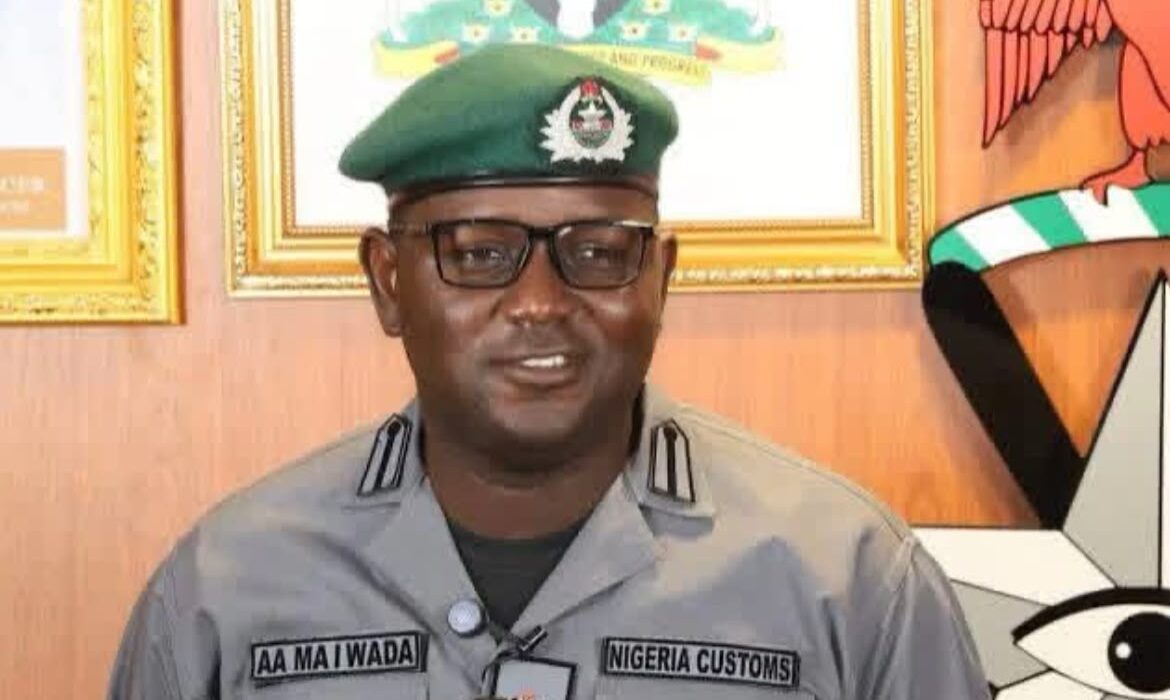
The Nigeria Customs Service (NCS) has strengthened its collaboration with six federal government agencies, including the Economic and Financial Crimes Commission (EFCC) and the National Drug Law Enforcement Agency (NDLEA), to tackle money laundering, cross-border illicit financial flows and terrorism financing in the country.
The three-day strategic engagement, which held from October 27 to 29, 2026, was led by the Assistant Comptroller-General of Customs in charge of Headquarters, Muhammad Shuaibu, and involved the EFCC, NDLEA, Nigeria Police Force, Nigerian Financial Intelligence Unit (NFIU), Nigeria Immigration Service and the National Counter-Terrorism Centre under the Office of the National Security Adviser.
According to the Customs Service, the initiative was designed to strengthen intelligence sharing, case management and operational coordination among security and law enforcement agencies to detect and disrupt illicit financial activities threatening Nigeria’s economy and national security, particularly at the borders and entry points.
During the engagement, Shuaibu led a delegation of the Nigeria Customs Service and the World Customs Organisation (WCO) on a courtesy visit to the EFCC Headquarters in Jabi, Abuja, to engage and strengthen existing collaboration as well as work on improvement in areas of deficiency in the Anti-Money Laundering and Countering Financing of Terrorism framework.
Speaking during the visit, Shuaibu commended the EFCC for sustaining its long-standing relationship with the Customs Service in discharging their mandates and called for stronger collaboration, noting that the EFCC’s mandate as the lead agency in combating economic and financial crimes has been remarkable and that the joint effort will focus on best practices.
Responding, the Executive Chairman of the EFCC, Ola Olukoyede, who spoke through the Secretary to the Commission, Mohammad Hammajoda, appreciated the long-standing relationship with Customs especially in the area of money laundering, reaffirming that the Commission will continue to sustain the robust partnership through capacity building and information sharing.
Hammajoda noted that collaboration among relevant agencies contributed to Nigeria’s removal from the Financial Action Task Force (FATF) grey list in October 2025, stating that Nigeria was earlier listed among the non-compliant states but with joint efforts the country was delisted, which has enabled Nigerians to travel and use their debit cards internationally, and stressed that there will be no room for financing of terrorism.