






Anambra Deploys Health Surveillance Officers Over Ebola Concern
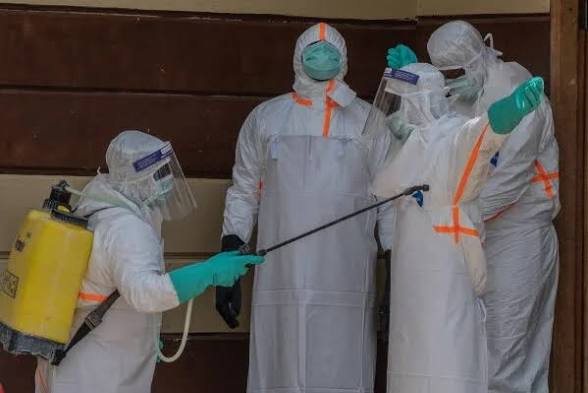
The Anambra State Government has stepped up disease surveillance across the state following the reported confirmation of an Ebola case in Abuja, with health officials to be stationed at the Chinua Achebe International Airport, motor parks, banks and other high-traffic locations.
The Commissioner for Health, Dr Afam Ben Obidike, announced the measures while briefing journalists in Awka, saying the surveillance operation was designed to detect and contain any possible importation of the disease into the state.
He said passengers arriving from Abuja, Lagos and other parts of Africa would be subjected to enhanced monitoring as part of the state’s efforts to strengthen early detection and response.
Obidike urged residents to remain calm while cooperating with health authorities, stressing that the government had activated precautionary measures to safeguard the population.
The commissioner disclosed that the state had so far monitored 40 persons identified as being of interest in connection with the disease.
He said 33 of them had completed the required monitoring period and were subsequently cleared, while seven others remained under observation. According to him, all seven individuals still being monitored were in stable condition.
Beyond individual surveillance, Obidike said the state had begun strengthening its broader preparedness framework in anticipation of any potential outbreak.
He disclosed that members of the state surveillance team recently completed a two-day virtual training organised by the Nigeria Centre for Disease Control and Prevention on the monitoring of persons of interest.
Designated health officials have also been assigned specific monitoring duties, while the state continues to work with national surveillance authorities on cases requiring follow-up.
The commissioner said the arrangement was intended to ensure that suspected concerns were promptly escalated to the State Epidemiology Unit and that responsibilities were clearly assigned.
According to him, Anambra has also developed an Ebola preparedness and response plan covering disease surveillance, rapid response, infection prevention and control, laboratory coordination, patient referral, public communication and logistics.
He said the implementation of the plan would depend on identified needs and available resources.
Obidike said the state’s surveillance network, which covers all 21 local government areas as well as the airport, motor parks, banks and other public locations, remained a key component of its preparedness strategy.
He directed Disease Surveillance and Notification Officers, health facilities and community-based reporting structures to immediately alert authorities to unusual illnesses or unexplained deaths.
The commissioner also urged healthcare workers to observe strict infection prevention procedures when treating patients, obtain information about recent travel and possible exposure, and promptly notify surveillance officials where Ebola is suspected.
He advised that suspected cases should be handled using appropriate protective measures and referred through established public-health channels.
Residents who develop fever or other suspicious symptoms after travelling to affected areas or coming into contact with a suspected Ebola patient were advised to contact health authorities without delay and provide details of their travel or exposure history.
Obidike further urged such individuals to notify healthcare facilities before arriving in person so that appropriate protective arrangements could be made.
He advised residents to maintain proper hand hygiene, avoid contact with the blood and bodily fluids of sick people and refrain from handling the remains of persons who die from unexplained illnesses.
The commissioner also cautioned against spreading unverified information or publicly identifying people undergoing health monitoring, urging residents to depend on official information from health authorities.
He said effective preparedness would depend largely on early reporting, public cooperation and confidence in the state’s health response system.