






Zeetin Technologies Unveils Abuja Tricycle Assembly Plant, Eyes CNG, Electric Models
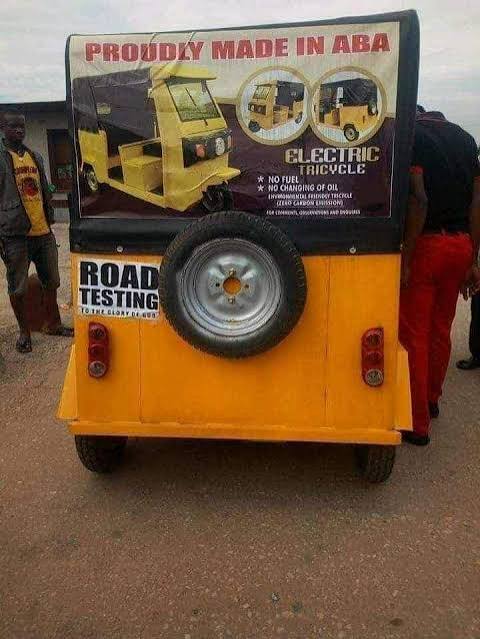
Zeetin Technologies is set to commission its tricycle assembly plant in Abuja on Wednesday, October 21, with plans to expand local production and introduce alternative-fuel models in the future.
The facility, located in the Idu Industrial Area, is expected to be unveiled by former President Goodluck Jonathan during a ceremony that will also feature the presentation of the company’s locally assembled products.
Zeetin Technologies currently assembles and distributes the VZ150 and VZ200 tricycle models in Nigeria through a technical partnership with VIAR Motor Indonesia, a manufacturer with more than three decades of experience in three-wheeler production.
The company said the establishment of the Abuja plant was intended to strengthen local manufacturing, support small businesses and contribute to economic activity through the domestic production of tricycles and related components.
In a statement signed by its Chairman, Robert Azibaola, the company said the vehicles were designed to meet the transportation and logistics needs of Nigerians, particularly traders, farmers, artisans, distributors and commuters.
Azibaola said the plant’s economic impact would extend beyond vehicle assembly, as its operations involve Nigerian technicians, quality-control personnel, planners, sales workers and after-sales teams, as well as local dealers, mechanics and spare-parts businesses.
He said some technicians currently working at the Abuja facility had received training at VIAR’s manufacturing plant in Semarang, Indonesia.
According to the company, the first batch of tricycles assembled at the facility will be formally handed over to their owners during the launch.
Zeetin Technologies said its longer-term objective was to increase the proportion of locally sourced components used in its vehicles.
The company also disclosed plans to eventually manufacture tricycles powered by compressed natural gas and electricity as part of its efforts to expand its product range and deepen Nigeria’s participation in the vehicle manufacturing value chain.
Azibaola said the project represented an effort to establish a manufacturing operation in Abuja capable of serving the transportation and commercial needs of Nigerians while creating opportunities across the wider automotive supply chain.