



70% of Nigerian Children Under 10 Cannot Read Simple Sentences
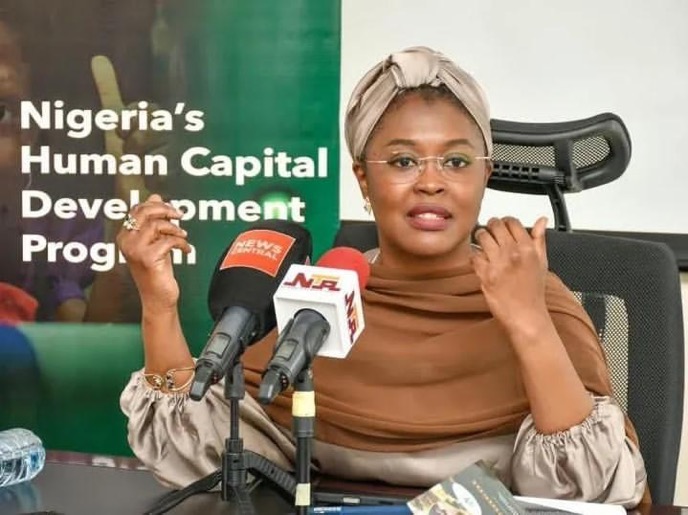
About 70 per cent of Nigerian children under the age of 10 cannot read and understand a simple sentence, according to the National Human Capital Development Programme.
The figure highlights the country’s deepening learning crisis and raises concerns about its ability to build a productive workforce.
National Coordinator of Human Capital Development 2.0 and Special Adviser to the President on the National Economic Council and Climate Change, Rukaiya el-Rufai, disclosed this at a media engagement in Abuja on Monday. She said the crisis is particularly worrying because being physically present in school does not mean children are acquiring the literacy and numeracy skills needed for the economy.
El-Rufai noted that the World Bank puts the figure for learning poverty even higher, at about 85 per cent for children aged 10 to 12. She explained that the problem goes beyond the education sector, as weak basic skills make it difficult for young people to acquire the technical abilities required by industries.
She cited the experience of the Dangote Refinery, where Nigerian workers could not easily be trained for highly technical jobs because of gaps in foundational knowledge such as geometry. The result, she said, is that many young people remain in school or enter the labour market without the skills needed for productive and well-paid employment.
The Human Capital Development 2.0 programme is focusing on health, education, skills and livelihoods. Six priority indicators have been selected, including under-five mortality, stunting, immunisation, out-of-school children, learning poverty and youth not in employment, education or training.
The programme is being implemented through the National Economic Council, with states developing plans tailored to their own challenges.