
Adopt CNG Transport Scheme for Workers, Kuye Urges States, LGAs

The rollout of 37 Compressed Natural gas-powered buses in Abuja has triggered a call for state and local governments across Nigeria to introduce similar transport interventions for civil servants.
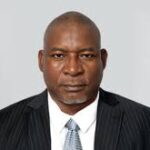
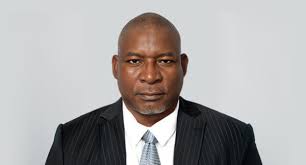
The appeal was made by the Chairman of the House of Representatives Committee on Public Assets, Hon. Ademorin Kuye, following the Federal Government’s deployment of the buses through the Presidential Compressed Natural Gas Initiative, PCNGI.
In a statement issued on Friday, Kuye described the initiative as a timely intervention, particularly for workers whose salaries have been increasingly affected by rising transportation costs.
He noted that the high cost of commuting has placed significant pressure on the disposable income of junior and mid-level civil servants, especially in the aftermath of the removal of the petrol subsidy.
According to him, subsidised CNG-powered transportation could provide workers with more sustainable relief while also reducing reliance on petrol and contributing to lower vehicle emissions.
Kuye, however, said the 37 buses currently deployed in Abuja would not be enough to address the transportation needs of the Federal Capital Territory’s workforce, stressing that workers in states and local government areas are facing similar economic pressures.
He therefore urged state governors and local government chairmen to consider purchasing CNG buses or converting existing buses to run on compressed natural gas for the transportation of civil servants and other commuters.
The lawmaker also called for partnerships between state and local governments, the PCNGI and private-sector operators to facilitate access to CNG conversion equipment, financing and technical expertise.
He argued that embedding such transport schemes into broader state transportation policies would provide a more lasting solution than temporary relief measures.
Kuye further appealed to the Federal Ministry of Transportation and the PCNGI to accelerate the expansion of the programme, while urging members of State Houses of Assembly to push for prompt action by their respective state governments.