

No Reopening of Strait of Hormuz Without Our Terms, Iran Tells US
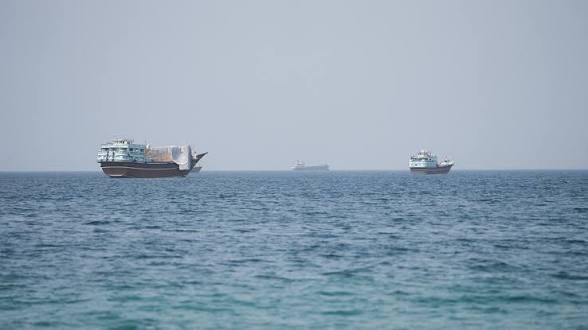
Iran’s Islamic Revolutionary Guard Corps has declared that the reopening of the Strait of Hormuz hinges entirely on Washington accepting Tehran’s conditions, pushing back firmly against suggestions that a separate deal with Oman could soon see the strategic waterway reopened to normal traffic.
IRGC spokesperson Hossein Mohebbi said the fate of the strait remained governed by its own specific mechanisms and conditions, insisting the matter was completely unrelated to ongoing negotiations between Iran and Oman.
He stressed that reopening the passage would only happen once the American side fully accepted Iran’s conditions and abandoned what he described as its interventionist approach, adding that the strait was far more than an economic corridor, calling it a symbol of the country’s geopolitical strength.
The statement came just as a US official said progress had been made in the Iran-Oman talks, expressing confidence that an agreement was close and could soon restore commercial oil shipments through the waterway, disrupted for months by the ongoing conflict between Iran and the United States.
Iran’s Foreign Ministry had earlier indicated that Tehran and Muscat were finalising a framework covering the geographical coordinates of a proposed safe shipping route, alongside technical and security arrangements for a joint coordination centre to manage maritime traffic.
Officials cautioned, however, that a deal between the two coastal nations would not, on its own, be enough to fully reopen the strait to international shipping.
Adding to the tension, the United Arab Emirates strongly condemned an attack by Iran’s Revolutionary Guard on a tanker belonging to the Abu Dhabi National Oil Company as it transited the strait, describing the targeting of commercial vessels as an act of piracy. Iran’s Foreign Minister, meanwhile, acknowledged that talks with Oman were approaching their final stages but cautioned that this should not be read as a signal that the strait was about to reopen, pointing instead to unresolved conditions tied to alleged US violations of a memorandum of understanding signed between the two countries in June.
President Donald Trump, who has said he remains personally involved in the negotiations, maintained that the strait was effectively open under US oversight, while acknowledging the constant risk posed by mines and further strikes. Analysts have warned that any arrangement granting Iran and Oman shared administrative control over the waterway could prove deeply unfavourable to Washington’s interests, underscoring just how far apart the two sides remain despite weeks of indirect diplomacy.
Photo Credit: Reuters