

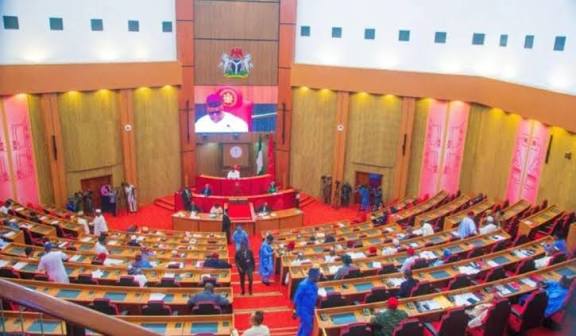

Nigeria Grants Shell Tax Rebates to Drive $20 Billion Deepwater Oil Project
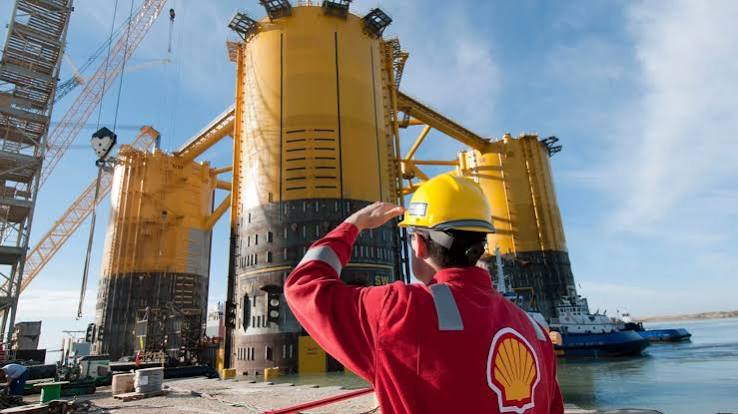
The Nigerian government has granted Shell Plc an unprecedented, production-linked tax relief for a massive deepwater development.
This incentive structure is also being opened up to other global oil majors as Africa’s largest oil producer seeks to attract fresh capital and significantly ramp up its national crude output.
The specific terms, which were approved by President Bola Tinubu, aim to push the long-delayed Bonga Southwest Aparo project toward a final investment decision. Under this agreement, Shell and its joint venture partners will receive a tax rebate of $11.50 per barrel of crude produced. This incentive is highly significant as it is more than double the standard rate normally offered for deepwater operations in the region. The government plans to keep this deepwater incentive active for other producers until at least 2029.
The stakes for the Bonga Southwest project are incredibly high. The state oil company estimates that the development will attract up to $20 billion in foreign direct investment and eventually produce 150,000 barrels of crude oil per day upon completion.
Because the tax holiday was introduced via executive orders, international investors have expressed some concern regarding its long-term stability, as future administrations or court challenges could theoretically overturn the policy.
To mitigate this risk and safeguard their massive capital commitment, Shell requested that the Nigerian government officially publish the tax-credit order in the federal government gazette to make it legally binding. Internal government memos indicate that Nigerian officials are currently executing this request.
This aggressive tax relief is part of a broader strategy by President Tinubu, who has introduced several executive orders since taking office in 2023 to combat rampant pipeline theft, aging infrastructure, and declining investment.
These reform efforts are starting to show tangible results, with national oil production recently climbing to an average of over one and a half million barrels per day, marking the highest monthly output the country has seen in over six years.