

“I Don’t Run to My Wife First” — Deyemi Okanlawon’s Honest Take on Marriage, Emotional Support

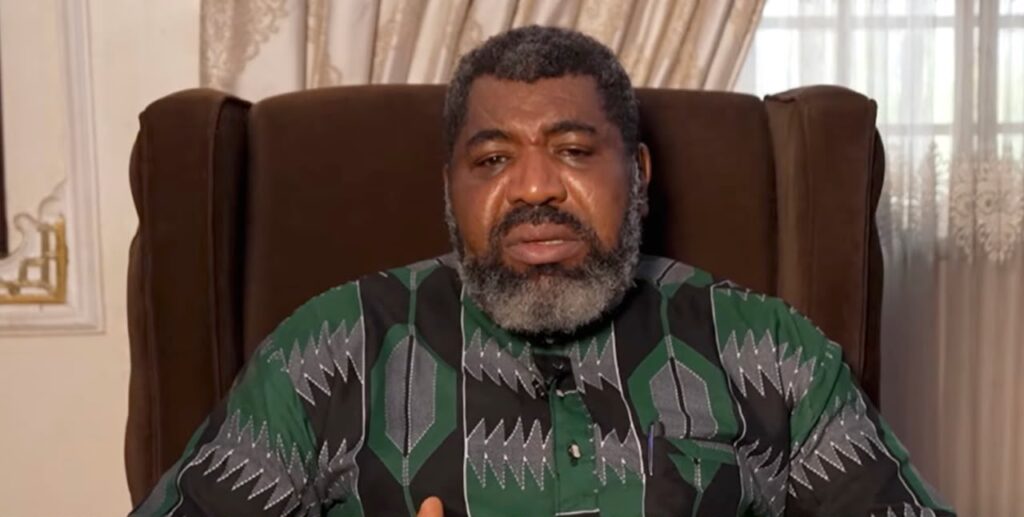
Nollywood’s one of its most celebrated and thoughtful voices, Deyemi Okanlawon, has once again sparked meaningful conversation this time around the often unspoken dynamics of modern marriage.
In a candid and refreshingly honest revelation, the award-winning actor opened up about who he turns to first when he is going through difficult times, and his answer surprised many: it is not his wife.
Speaking in a recent interview, the actor widely regarded as one of the most consistent and versatile talents in the Nigerian film industry explained that while his wife, Damilola, is undoubtedly his partner and the love of his life, she is not always the first person he reaches out to in moments of personal struggle. Rather than framing this as a sign of distance in their marriage, Okanlawon presented it as a deliberate and healthy choice one rooted in his understanding of emotional boundaries, male friendship, and the importance of not placing the full burden of one’s inner battles on a spouse.
The statement, though brief in delivery, carries enormous weight in the context of Nigerian culture, where men are rarely encouraged to openly discuss emotional vulnerability let alone admit that they deliberately process their pain outside the walls of their marriage first. For Okanlawon to make such a declaration publicly signals not weakness, but a sophisticated emotional intelligence that many men quietly struggle to develop.
The actor and his wife Damilola have been married since January 2013, a union that began during their shared years at the University of Lagos, where both studied Chemical Engineering. Over the years, their relationship has been one of the most admired in Nollywood built on friendship, respect, and a love story that even found its way onto screen. Okanlawon once revealed that the Netflix film The Wait mirrored his own marriage story so deeply that watching it moved him to tears each time.
What makes his latest revelation even more compelling is the broader philosophy it reflects. Just weeks ago, Okanlawon made headlines after stating on a podcast that he would willingly quit acting and become a house husband if his wife earned between one and ten million dollars annually a statement that showed a man unbothered by ego or the pressure of outdated gender expectations.
Together, these declarations paint a portrait of a man who has done serious internal work on how he relates to marriage, manhood, and emotional health.
In an entertainment landscape where celebrity marriages are often performed for public approval, Deyemi Okanlawon continues to offer something rarer authenticity. His willingness to speak honestly about the nuances of his marriage, including its quiet imperfections and intentional boundaries, is a reminder that the strongest relationships are not necessarily the ones that look perfect from the outside, but the ones built on truth, self-awareness, and mutual respect.