
Traditional Rulers Reign, No Longer Rule, Laments Lagos Monarch
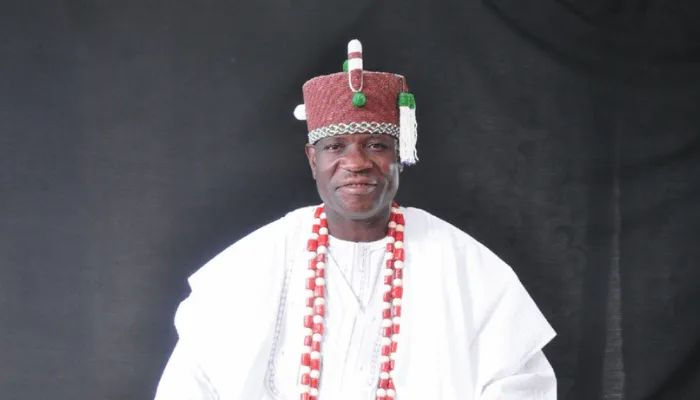
The Adeboruwa of Igbogbo Kingdom in Lagos State, Oba Semiudeen Kasali, has declared that kings now only “reign but no longer rule.” He said real power has shifted to elected officials and constitutional bodies. His statement adds to ongoing debates about the relevance of traditional rulers in Nigeria’s democracy.
Oba Kasali noted that while kings still command respect and cultural significance, they no longer hold administrative or political authority. His comments reflect a broader reality across Nigeria, where traditional rulers have seen their powers gradually diminished since the return of civilian rule.
The monarch’s statement highlights the constitutional limitations placed on traditional institutions under the current system. Unlike the past when kings exercised considerable influence, today’s monarchs primarily serve as custodians of culture and tradition.
They now operate alongside democratically elected officials who hold actual governing power.
This reality has sparked ongoing conversation about the place of traditional rulers in Nigeria’s political landscape. Some argue monarchs should play a more active role in governance, while others say their ceremonial functions are sufficient. The Adeboruwa’s remarks acknowledge this shift while affirming the continued relevance of traditional institutions.
Oba Kasali’s declaration serves as a reminder of Nigeria’s evolving leadership dynamics. As the country strengthens its democratic institutions, traditional rulers are adapting to their new roles as symbols of heritage. His words resonate with many Nigerians who recognise the changing balance between traditional authority and modern governance.