


Dangote Imported 1.46 Billion Litres of Blended Gasoline in Five Months, Says NMDPRA
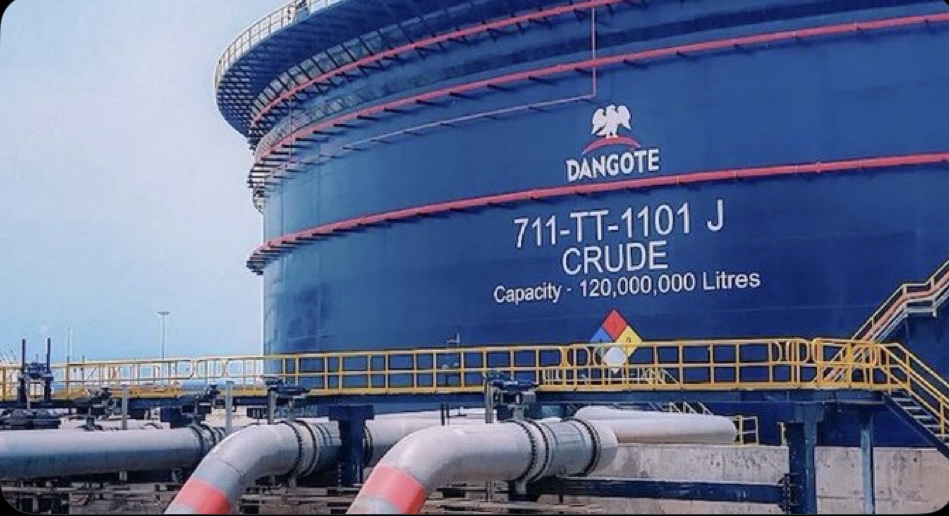
The Nigerian Midstream and Downstream Petroleum Regulatory Authority (NMDPRA) has disclosed that the Dangote Petroleum Refinery imported approximately 1.46 billion litres of blended gasoline between January and May 2026, highlighting the refinery's continued reliance on blending components to support petrol production.
According to data released by the regulatory authority, the refinery imported substantial volumes of gasoline blendstock over the five-month period to enhance the production of Premium Motor Spirit (PMS), commonly known as petrol.
The breakdown of the imports showed that Dangote Refinery brought in about 658.31 million litres of blended gasoline in January, 306.89 million litres in February, 102.35 million litres in March, 147.37 million litres in April, and 240.59 million litres in May, bringing the total volume to approximately 1.46 billion litres.
Industry experts note that gasoline blendstocks are commonly imported by refineries worldwide to improve fuel quality, increase output, and meet market specifications.
The imported components are blended with locally refined products before being supplied to consumers. The latest figures come amid ongoing efforts by the Dangote Refinery to expand domestic fuel production and reduce Nigeria's dependence on imported refined petroleum products.
Since commencing large-scale operations, the 650,000-barrels-per-day refinery has become a major supplier of petrol to the Nigerian market. Analysts say the importation of blendstocks does not necessarily indicate a shortage of crude oil feedstock but reflects standard refining practices aimed at optimizing production efficiency and ensuring consistent fuel supply.
The disclosure is expected to fuel discussions within the petroleum sector over Nigeria's quest for energy security and the role of local refining in stabilizing fuel availability and pricing.
Despite the continued importation of blending components, Dangote Refinery remains a key player in the country's downstream petroleum industry, with regulators reporting that it contributes a significant share of Nigeria's daily petrol supply.
Stakeholders have argued that as refining capacity grows, local production is expected to further strengthen Nigeria's energy independence, reduce pressure on foreign exchange, and enhance the country's position as a regional exporter of refined petroleum products.