



Global Fruit Demand Rises as Tunisia’s Exports Break into 23 Global Markets Generating $15m
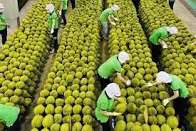
Tunisia’s fruit export sector is off to a strong start in 2026, with revenues climbing to $15.57 million as demand for premium produce grows across international markets, particularly in Asia.
New trade data show the North African country earned $15.57 million from fruit exports since the beginning of the year, up from $13.09 million recorded during the same period last season. The increase points to expanding market access and stronger demand for Tunisian produce abroad.
One of the standout developments has been the growing appetite for Tunisian blueberries in India. By the end of May, Indian buyers had imported 146 tonnes of blueberries worth $1.53 million, highlighting the country’s emergence as a significant market for high-value agricultural exports.
According to figures reported by Tunis Afrique Presse (TAP), Tunisia exported 12 fruit varieties to approximately 23 international destinations during the first five months of 2026, underscoring the sector’s widening global reach.
Libya remained Tunisia’s largest customer by volume, importing 1,967 tonnes of fruit valued at $3.26 million. However, the United Arab Emirates generated the highest export earnings, purchasing 543 tonnes worth $4.13 million.
The export figures also reveal shifting demand patterns across different fruit categories. Plums generated the highest revenues, bringing in $6.92 million from 701 tonnes exported. Strawberries followed with earnings of $4.27 million from 604 tonnes.
Peaches emerged as the most exported fruit by volume, reaching 1,418 tonnes during the period. Apricot exports totalled 654 tonnes and generated $1.29 million in revenue.
Other fruit categories, including melons, watermelons, and nectarines, recorded stable export performance, contributing to the sector’s overall growth.
The latest figures reflect increasing international demand for premium fruit products and highlight Tunisia’s efforts to strengthen its position in specialised agricultural export markets as global buyers diversify their sourcing destinations.