Rainy Season Worsening Humanitarian Crisis in Northwestern Nigeria, Says MSF
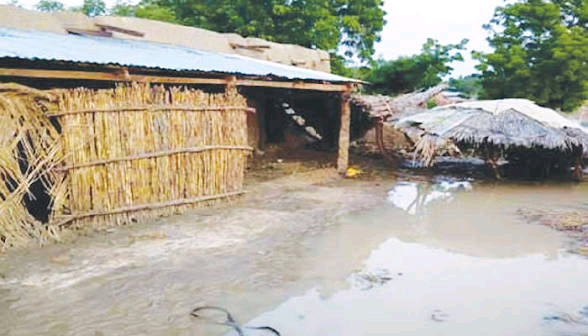
Humanitarian medical organisation Médecins Sans Frontières has raised concerns over deteriorating health conditions in northwestern Nigeria, warning that the rainy season is worsening outbreaks of malaria, cholera, typhoid and acute malnutrition in Zamfara State.
In a statement issued on Monday, the organisation said the annual rainy period, which runs between May and September, continues to expose vulnerable communities to life-threatening diseases amid persistent insecurity and displacement.
According to MSF, flooding, stagnant water, overcrowded shelters and poor sanitation are accelerating the spread of infectious diseases, while food shortages and inadequate healthcare access are increasing the risk of preventable deaths.
A Nursing Activity Manager at the MSF hospital in Zamfara, Sani Adamu, said malaria, cholera and other waterborne diseases usually rise sharply during the rainy season due to contaminated water and mosquito breeding in stagnant floodwater.
He explained that poor sanitation and unsafe water sources contribute significantly to outbreaks, noting that floodwaters often carry waste and faecal matter into areas used by residents for domestic activities.
MSF disclosed that it treated 136,778 malaria patients and 13,877 cholera cases in Zamfara State in 2025.
The organisation also highlighted increasing cases of severe typhoid complications, particularly among children, citing the case of a young boy from Shinkafi Local Government Area who reportedly developed intestinal complications linked to contaminated food and water.
According to the group, the child was later referred to an MSF-supported hospital in Zurmi for emergency surgery after suffering intestinal perforation caused by untreated typhoid fever.
Adamu stressed the importance of early medical treatment, warning that delayed treatment of typhoid could lead to fatal complications requiring surgical intervention.
MSF further noted that the rainy season coincides with the annual lean period when food supplies diminish and malnutrition rates rise across affected communities.
The organisation said it had treated 60,566 malnourished children in Zamfara in 2025, adding that children under 15 years and pregnant women remain the most vulnerable groups.
It also expressed concern over worsening access to healthcare in conflict-affected areas, blaming insecurity, flooded roads, damaged bridges and transportation costs for limiting access to timely treatment.
Some displaced residents described the difficult conditions faced by families during the rainy season, particularly the frequent spread of malaria among children in communities lacking adequate shelter and mosquito protection.
MSF said it currently supports four healthcare facilities in northern Nigeria to help manage disease outbreaks and malnutrition cases during the rainy season.
The organisation called for urgent intervention through improved water and sanitation facilities, expanded vaccination efforts and stronger healthcare support to reduce deaths and illnesses during the period.
It maintained that most of the diseases and fatalities recorded during the rainy season could be prevented through early and sustained public health measures.