

Kachikwu Faction Holds ADC Convention in Abuja, Deepening Crisis Within Opposition Party
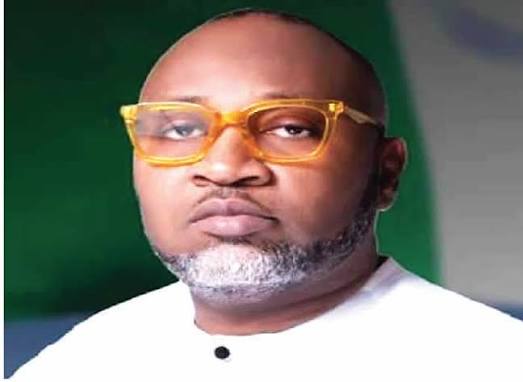
The faction of the African Democratic Congress loyal to former presidential candidate Dumebi Kachikwu is on Sunday holding its National Convention in Abuja, marking a significant escalation in the months-long leadership crisis tearing through the opposition party ahead of the 2027 general elections.
The event, being held at A-Class Garden in Wuse 2, was announced by the faction’s Acting National Working Committee Chairman, Kingsley Temitope Ogah, who said it would bring together party leaders, delegates, state executives, youth and women representatives, as well as political stakeholders from across the federation.
According to Ogah, the gathering is aimed at strengthening the party’s internal democratic structures, deliberating on its future direction and overseeing the emergence of members of a new National Working Committee.
“The convention is part of the party’s strategic preparations ahead of the 2027 general elections,” he said in the press invitation. The Kachikwu faction emerged formally from an emergency NEC meeting held in April and formally dissociated itself from the David Mark-led leadership, asserting that all actions taken by Mark’s group in the name of the ADC were not binding on the party. It is distinct from a second rival bloc led by Nafiu Bala of Gombe, meaning the ADC now effectively has three separate groups simultaneously claiming authority over its structure.
The Kachikwu faction is also the group directly responsible for the Federal High Court judgment that dealt a significant legal blow to the Mark-led caretaker leadership. In a ruling delivered by Justice Joyce Abdulmalik, the court nullified congresses conducted by committees appointed by the Mark faction and restrained INEC from recognising or participating in any congress convened by that disputed caretaker structure.
The court further barred the Mark group from interfering in the affairs of duly elected state executives, affirming that only constitutionally recognised organs of the party are empowered to conduct such activities. Kachikwu and the factional state chairmen publicly welcomed the judgment, with Kachikwu describing the Mark faction’s conduct as “political gangsterism” carried out in defiance of subsisting court orders.
The ADC’s legal battles have traversed multiple levels of the Nigerian judiciary in recent months. The Supreme Court, in a ruling last month, restored the Mark-led leadership and declared that a Court of Appeal order directing parties to maintain the status quo ante bellum was “unnecessary, unwarranted and improper.” However, the apex court also directed the matter back to the Federal High Court for hearing of the Nafiu Bala suit, leaving the overall dispute far from resolved. INEC, caught between conflicting court orders and faction claims, had at various points suspended recognition of the Mark leadership and removed its officials from its portal before the Supreme Court intervention.
With the Kachikwu convention now underway, the ADC faces a defining crisis of legitimacy at a critical moment, with INEC’s submission deadline for membership registers and candidate uploads looming and the 2027 election cycle rapidly approaching. Party watchers have warned that the protracted three-way factional struggle risks leaving the ADC unable to field candidates in several states, and has raised the spectre of deregistration if the internal impasse remains unresolved. David Mark, who was confirmed as national chairman by his faction’s April convention, has assured that the ADC will be on the ballot in 2027 and that all outstanding legal challenges will be addressed through the courts.