


Inside Isokoland: Oil Wealth, Darkness and the Struggle for Development
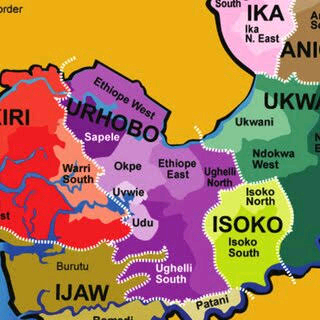
Despite hosting more than 130 oil wellheads and contributing significantly to Nigeria’s crude oil output, many communities in Isoko North and Isoko South Local Government Areas of Delta State continue to grapple with poor electricity supply, rising poverty and worsening economic hardship.
For residents across the oil-rich Isoko nation, the contrast between the wealth extracted from their soil and the realities of daily living has become increasingly difficult to ignore.
In a statement signed by the Solidarity Group For Stable Electricity In Isoko Nation, community stakeholders lamented what they described as decades of neglect in one of Nigeria’s major oil-producing ethnic nationalities.
The group noted that while other oil-bearing communities in the Niger Delta have visible infrastructure and more stable power supply, many Isoko communities remain trapped in darkness despite hosting dozens of oil facilities.
“What surprises many people is that the ethnicity does not even look like an oil-producing area because of the widespread poverty, unemployment and insecurity,” the statement read.
The group added that many residents are still dependent on farming, fishing and commercial motorcycle transportation, popularly known as Okada, for survival, despite the enormous oil wealth generated from the area.
According to data provided by the group, Uzere hosts about 48 oil wellheads, making it one of the largest producing communities in the region. Oleh reportedly has 22 oil wells, Olomoro 17, Ellu/Ovrode 10, Owhe nine, Igbide eight, Ozoro seven, while Okpolo-Enwhe, Emede and Ofagbe host several others.
The oil assets operate within major Oil Mining Leases including OML 26, OML 28, OML 30 and OML 60, areas considered critical to Nigeria’s upstream petroleum production.
Yet, residents say the economic realities in many communities do not reflect the enormous wealth generated from crude oil exploration.
Community leaders compared the situation in Isokoland with oil-producing communities such as Bonny in Rivers State and parts of Ogba/Egbema/Ndoni Local Government Area, where residents reportedly enjoy relatively better electricity supply and infrastructure.
“If you go to Kwale, ONELGA or Bonny, there is visible evidence that they are oil host communities. But in Isokoland, many communities still experience epileptic power supply and poor road infrastructure,” one resident said.
The concerns coming from Isoko communities are not entirely new. In recent years, several host communities in Delta State have repeatedly accused oil operators of marginalisation, poor implementation of development agreements and failure to comply fully with provisions of the Petroleum Industry Act (PIA).
The PIA mandates oil companies to contribute three per cent of their annual operating expenditure to Host Community Development Trusts for local development projects. However, community groups in Isoko have alleged delays and shortfalls in remittances meant for development initiatives.
Over the years, tensions between oil companies and host communities in parts of Isokoland have also led to protests and shutdowns of oil operations over allegations of unemployment, poor community relations and failure to honour agreements.
Residents further complained that employment opportunities in the oil sector are often taken by non-indigenes while locals remain unemployed.
According to youth leaders in the area, many qualified Isoko graduates struggle to secure positions within companies operating in their communities, a development they say fuels frustration among young people.
Economic analysts say the Isoko situation reflects the broader paradox of the Niger Delta — a region that generates enormous petroleum revenue for Nigeria but continues to battle underdevelopment, environmental degradation and inadequate public infrastructure.
Beyond electricity shortages, residents also face challenges linked to oil exploration, including polluted farmlands, declining fishing activities and poor access to healthcare and quality education.
Although some oil firms have carried out community projects in parts of Delta State, including health centre renovations and scholarship schemes, many residents insist the interventions remain far below expectations considering the scale of oil production from the region.
Stakeholders are now calling on the Federal Government, Delta State Government, the Niger Delta Development Commission and oil operators to address what they describe as years of infrastructural neglect in Isokoland.
For many residents, stable electricity has become symbolic of a deeper demand for recognition, inclusion and visible benefits from the resources extracted daily from their land.
“We cannot continue to produce crude oil for the country while our communities remain in darkness,” the solidarity group stated.