
Understanding Autism and Its Diagnosis in Africa
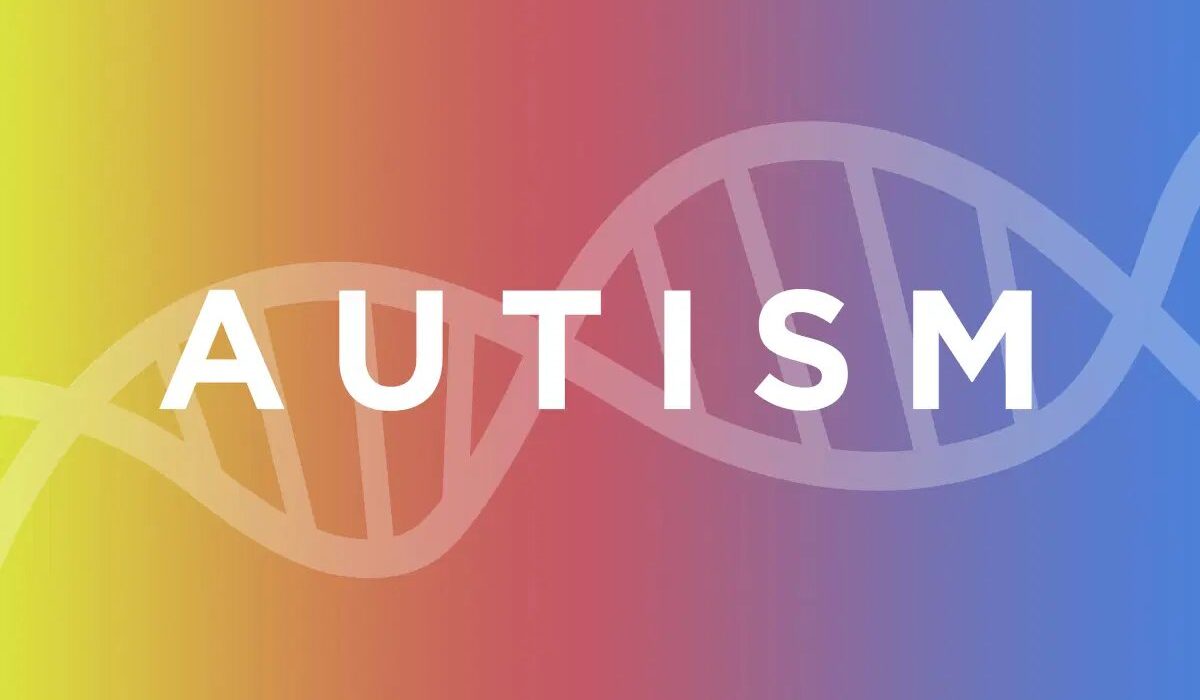
Autism remains a condition that many people in Africa still do not fully understand. Families often struggle to recognise the signs early because of limited awareness and few experts in the field.
This makes it harder for children with autism to get the support they need at the right time.
In many African countries, autism is sometimes mistaken for other problems or even spiritual issues. This leads to delays in proper diagnosis and care. Health workers and experts are now calling for better training and more public education so that parents and teachers can spot the early signs like difficulty with communication and social interaction.
Diagnosis in Africa faces several challenges, including shortage of specialists and high costs of testing. Most children live far from big cities where the few available experts are based. As a result, many cases go undiagnosed or are identified very late, affecting the child’s development and future opportunities.
Experts believe that creating more awareness and building local capacity will help improve early detection. Simple community programmes and training for doctors and nurses can make a big difference. When autism is identified early, children have a better chance of learning important skills and living fuller lives.
As conversations on autism continue to grow across the continent, there is hope for better understanding and support systems. Families affected by autism need compassion and practical help from society. Greater awareness today can lead to a brighter future for many children living with the condition in Africa.