

Insecurity Threatens Free, Fair Elections, Laments Amupitan
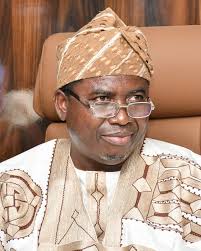
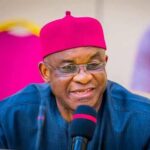
The Chairman of the Independent National Electoral Commission (INEC), Prof. Joash Amupitan, has raised concerns over the growing insecurity across Nigeria, warning that it poses a serious threat to the conduct of free, fair and credible elections in the country.
Amupitan spoke on Wednesday during a visit to the Inspector-General of Police, Tunji Disu, in Abuja, ahead of preparations for the 2027 general elections.
The INEC chairman said persistent violence, electoral malpractice and security threats could undermine public confidence in the electoral process if urgent and proactive measures are not taken.
“In Nigeria, our electoral system has placed numerous challenges over the years, ranging from malpractices to threats of violence, vote trading that undermine the confidence of the electorates,” Amupitan said.
“These challenges not only affect the outcome of our elections, but also pose significant risks to our national security. Thus, it is imperative that we address these concerns with utmost seriousness and resolve.”
He stressed the need for comprehensive security planning before the elections, noting that security agencies must identify potential flashpoints and deploy preventive strategies to safeguard voters and electoral officials.
“The scale of insecurity across the various parts of Nigeria presents a threat to the conduct of fair election,” he said.
“It is essential that we carry out total security risk analysis ahead of the election and this will enable us to identify potential flashpoints and deploy appropriate strategies to mitigate risks, thereby safeguarding voters, electoral officials and the integrity of the electoral process.”
Amupitan noted that the presidential election scheduled for January 16, 2027, as well as the governorship and state assembly elections fixed for February 6, 2027, would require strong collaboration between INEC and security agencies, particularly the Nigeria Police Force, which leads election security operations.
He added that ongoing political activities, including party congresses and upcoming primaries under the Electoral Act 2026, had further heightened the need for adequate security arrangements.
The INEC chairman also referenced the forthcoming off-cycle governorship elections in Ekiti and Osun states, alongside several pending by-elections nationwide, describing them as important tests for Nigeria’s democratic process.
On the issue of humanitarian concerns, Amupitan emphasised the need to ensure that Internally Displaced Persons (IDPs) and persons with disabilities are not excluded from the electoral process.
“I also want to draw attention to several IDP camps that are scattered all over Nigeria,” he said.
“Let me say that it is their right to also vote, and they must not be disenfranchised.
“As the electoral body, we are doing everything to ensure that all those in IDP camps are given the conducive environment to exercise their franchise, and also the people with disabilities.”
He urged the police to give special attention to vulnerable groups during election planning and operations.
Responding, the Inspector-General of Police assured INEC of the Force’s readiness to tackle emerging security threats ahead of the elections.
Disu said the police would deploy intelligence-led policing and preventive security measures to address issues such as political violence, arms proliferation, cyber manipulation and attacks on electoral infrastructure.
According to him, the police had already commenced nationwide threat assessments and intelligence mapping in collaboration with other security agencies to ensure adequate protection of electoral personnel, facilities and materials.
“I assure you that the police will enforce electoral laws firmly and professionally,” Disu said.
“We will ensure that we enforce electoral laws firmly and we do it professionally.”
The police chief warned that individuals involved in electoral offences, including vote-buying, ballot snatching, voter intimidation and destruction of electoral materials, would be arrested and prosecuted.
“I want to emphasise that individuals involved in ballot snatching, vote buying, voter intimidation, destruction of electoral materials, violent disruption of polls or attack on electoral officials will be arrested and prosecuted in accordance with the laws,” he added.
On the participation of displaced persons and persons with disabilities, Disu said the police had already factored them into its election security plans.
“You mentioned the issue of people in the IDP camp. We have noted that they are in our plans,” he said. “People with disability have been taken into cognisance and special plans have been put in place for them.”