

FMDQ Boss Says Fintechs Face Steep Odds of Getting Licence for Direct Forex Trade
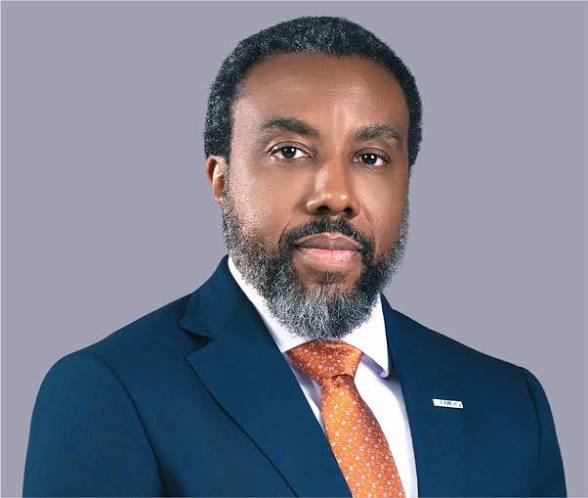
The chief executive of FMDQ Group, Zeal Akaraiwe, has laid out why Nigerian fintech companies cannot trade directly in the country’s foreign exchange market, pointing to licensing rules, the absence of central bank oversight over their forex activity, and the nation’s exchange control framework.
Akaraiwe spoke on the sidelines of an investor forum organised by the Central Bank of Nigeria in Singapore. He said any firm that wants to trade directly in the market must first be authorised as a dealer, and that Nigeria’s exchange control rules require at least one party in every forex transaction to be an authorised dealer.
A deal between two parties without that status, he explained, falls within the definition of the black market.
Getting that authorisation is not easy, he said, and for fintechs the chances are currently very slim. Authorised dealers are bound by limits set by the CBN on how much of their capital can be used for forex trading, as well as caps on their net open positions, which measure exposure to foreign currencies.
They are also expected to hold the proper statutory documents and have access to the regulatory portals used to verify them.
The bigger obstacle, according to Akaraiwe, is that fintechs are regulated by the CBN for payments but not yet for foreign exchange transactions. That makes it difficult for the regulator to license an operator it does not oversee in that area, and he noted that it remains unclear which authority should supervise fintechs in forex trading.
Fintechs are not entirely locked out, however. Akaraiwe stressed that they can buy and sell foreign exchange through their partner banks, provided they comply with existing rules.
This is different from direct access, which would let a fintech operate as a dealer in its own right.
He argued that wider participation would require a review of the regulatory environment and an amendment of the relevant laws, and said the growing relevance of stablecoins makes it even more important for policymakers to rethink how current rules apply to new financial players.
Earlier at the same forum, Akaraiwe urged regulators and market institutions to build deeper hedging markets while currency conditions remain stable, and he credited the CBN with improving credibility and predictability in the market.