



Recovering Addict Reveals How Drug Dependence Cost Him Job, Family, Nearly 10 Years
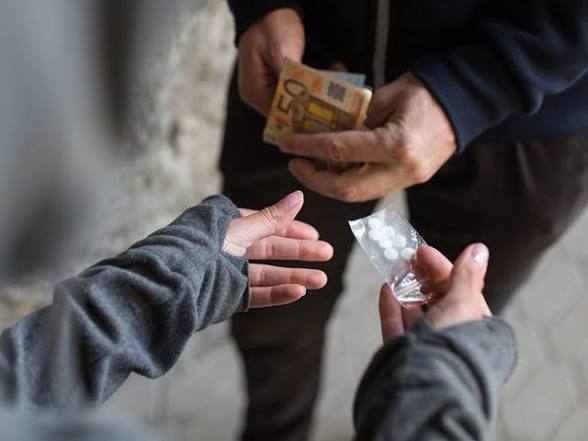
A convalescing drug addict, Abraham, has recounted how years of substance dependence cost him his job, damaged his relationships with family members and deprived him of nearly a decade of his life.
Abraham shared his experience on the eighth episode of NarcoTales Season 4, aired on NDLEA TV’s YouTube channel on Friday, where he detailed his struggle with addiction, rehabilitation and eventual recovery.
He said his addiction became impossible to ignore after he lost his job at an oil company because of a persistent and offensive body odour that colleagues reportedly complained about.
According to him, colleagues would open the office windows and air conditioner and use air fresheners whenever he arrived at work. He was eventually placed on sick leave and later lost the job after only a few months.
Abraham said the experience forced him to confront the extent of his dependence, noting that he had continued taking drugs even after the pain that initially led him to use them had disappeared.
He explained that his drug use had become driven by cravings rather than any physical need, describing the urge to take drugs as almost automatic.
The addiction, he said, affected his finances, health, career and relationships, with the consequences extending to his immediate family.
He said the pressure of helping him through his addiction contributed to the separation of his parents, while years of strain also damaged his relationship with his siblings.
“Even though I’ve recovered, we now feel like strangers,” he said, describing the distance that developed between him and his siblings.
Abraham said his greatest regret was not the money he lost but the time he could never recover.
He estimated that nearly 10 years of his life were lost to addiction, during which he missed opportunities to build a career, save money, get married and establish the kind of life he wanted.
He also disclosed that prolonged drug use through needle injections left him with permanent scars, difficulty walking and the loss of activities he once enjoyed, including dancing and running.
Beyond the physical consequences, Abraham recalled engaging in desperate acts to sustain his addiction, including stealing from his mother and begging strangers for money to purchase drugs.
He also revealed that he attempted suicide three times during his struggle with substance dependence.
According to him, his recovery was eventually strengthened by a support network that included his pastor, church members, a psychologist and medical professionals.
He said his first rehabilitation lasted about a month, but he relapsed shortly after leaving the facility. A later rehabilitation programme was more successful because people around him continued to monitor, encourage and support him after he returned home.
Abraham said adjusting to life after rehabilitation was particularly difficult after discovering that he no longer had accommodation.
He relied on his support network while rebuilding his life and began learning wig-making and other hair-related skills to keep himself occupied and develop a new sense of purpose.
He also became involved in advocacy, speaking to students and other members of the public about drug abuse and you recovery.
Abraham urged people struggling with addiction not to remain silent, stressing that seeking help early can make recovery possible.
He said people battling substance dependence should acknowledge the problem, speak about it and seek professional and community support.
“Addiction flourishes in silence. Speak out. Seek help,” he said.