


Nigeria’s Economy Hit by Global Shock, Warns Edun
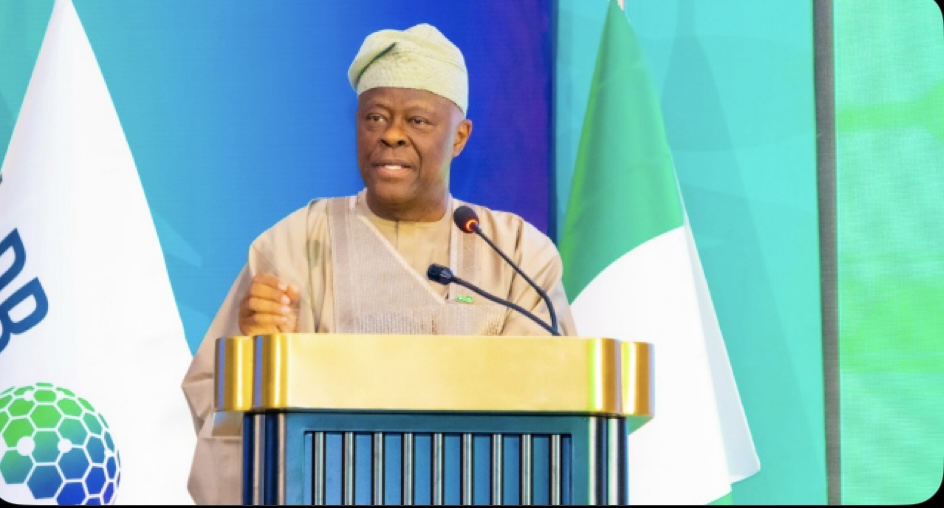
Nigeria’s Minister of Finance and Coordinating Minister of the Economy, Wale Edun, has declared that the nation’s economy is currently experiencing a significant shock, triggered by the ongoing crisis in the Middle East.
Edun made this known while addressing concerns over the ripple effects of the conflict, noting that the global economy is already grappling with disruptions stemming from rising geopolitical tensions in the oil-rich region.
According to the minister, the crisis has led to sharp increases in global oil prices, heightened inflationary pressures, and instability in international markets—factors that are directly impacting Nigeria’s economic outlook. Despite being an oil-producing country, Nigeria is not immune to the adverse effects.
The surge in crude oil prices has translated into higher fuel costs domestically, worsening inflation and increasing the cost of living for millions of Nigerians. Edun explained that while the country may record increased revenues from higher oil prices, the gains could be offset by rising inflation, weakened purchasing power, and pressure on household incomes.
He further noted that developing economies like Nigeria are particularly vulnerable to external shocks, especially those linked to global energy supply disruptions. The minister, however, expressed cautious optimism, stating that ongoing economic reforms by the federal government are aimed at strengthening resilience and stabilizing the economy amid global uncertainties.
He assured that authorities are closely monitoring developments in the Middle East and their implications for Nigeria’s fiscal and monetary stability.
The warning comes as international financial institutions continue to raise concerns that the escalating conflict could slow global economic growth and deepen inflationary trends, particularly in emerging markets.