Previous Portfolio of Nigeria’s New Bride
By Bamidele Atoyebi
The selfish gathering of these veterans under the African Democratic Congress (ADC) banner in 2026 creates a facade of “rescue,” yet their collective track record remains their greatest hurdle.
When scrutinized, the history of these “heavyweights” is a tapestry of administrative lapses and unresolved controversies.
Atiku Abubakar occupied the post of Vice President of Nigeria for eight years (1999–2007). While he chaired the National Council on Privatization, his tenure is frequently defined by the stripping of national assets rather than industrial growth. His legacy is permanently shadowed by international bribery scandals, including the William Jefferson case in the US, and persistent allegations that the deregulation of the early 2000s primarily benefited his inner circle of business associates.
Atiku’s political career is also a study in ideological inconsistency, marked by a history of jumping between parties PDP, AC, APC, and back purely for personal electoral survival. This “party-hopping” suggests that his current flirtation with the ADC coalition is less about a vision for Nigeria and more about a desperate, final attempt to secure the presidency, highlighting a career where personal ambition has consistently outpaced national loyalty.
Peter Obi served as the Governor of Anambra State for eight years (2006–2014). Though he markets himself as a symbol of integrity, his tenure was marred by the Pandora Papers revelation, which exposed his secret offshore accounts in tax havens during his time in office. This lack of transparency undermines his current “Messiah” branding. Furthermore, his “prudence” was often at the expense of human lives, as seen during the year-long doctors’ strike that crippled Anambra’s healthcare while he boasted of state savings.
Rabiu Musa Kwankwaso governed Kano State for eight years (1999–2003, 2011–2015). While he is credited with urban infrastructure projects, his leadership birthed the Kwankwasiyya movement, a rigid cult of personality that prioritizes personal fealty over democratic institutions. His recent expulsion from the NNPP for anti-party activities and his history of regional, rather than national, political posturing make him a divisive figure whose claim to “save” Nigeria is contradicted by his inability to maintain peace within his own political house.
David Mark, currently leading the ADC, was the President of the Senate for eight years (2007–2015). Despite bringing stability to the red chamber, he presided over the era of jumbo pay, where the National Assembly’s budget became an opaque black hole of public funds. Furthermore, his long career is criticized for a lack of tangible development in his own Benue South constituency, which remains underdeveloped despite his decades in power. Today, his leadership of the ADC is plagued by internal rebellion and factionalism.
Rauf Aregbesola served as the Governor of Osun State for eight years and later as the Minister of Interior for four years. His tenure in Osun is infamous for the “half-salary” crisis, which impoverished thousands of civil servants through gross fiscal mismanagement. His recent migration to the ADC is seen by many as a tactical retreat after losing his political relevance.
Rotimi Amaechi’s 23-year career saw a heavy focus on physical structures, but he failed to address the human security crisis in his own backyard. As Governor of Rivers State, despite massive allocations, he failed to curb the rise of cultism and militancy that turned parts of the state into a security nightmare. Later, as Transport Minister, he focused on building new rail lines but failed to secure the existing ones a failure tragically highlighted by the Abuja-Kaduna train attack, which exposed the deadly consequences of prioritizing “iron and steel” over human safety and intelligence
Beyond the Big Six, figures like Dino Melaye are often drawn into this discussion as symbols of the political class’s perceived lack of transparency. The optics of leaders seeking medical refuge in ambulances and crutches when faced with judicial accountability stand in stark contrast to their claims of being national saviors.
This behavior fuels the sentiment that the “rescue” is less about the nation and more about personal political survival.
The central failure of these leaders is their inability to answer the most critical question posed by the Nigerian electorate: “What have you done? If not, we will miss it.” In a country hungry for progress, these men offer a history of stagnation, leaving the public to wonder what tangible legacy they actually left behind. This lack of credible, transformative achievement makes their promise to save the nation appear like a hollow political gimmick rather than a viable plan.
In stark contrast to this cluster of leaders, the current administration of President Bola Ahmed Tinubu provides a concrete counter-narrative of tangible results in Lagos. Unlike the ADC heavyweights, whose achievements are often debated or invisible, the “Lagos Model” established by Tinubu has produced landmark physical and economic structures that have transformed the nation’s commercial nerve center.
The Eko Atlantic City stands as a global testament to engineering and urban foresight, reclaiming land from the ocean to protect the coastline while creating a modern financial hub. Similarly, the Lekki Free Trade Zone, home to massive industrial complexes like the Dangote Refinery, remains a blueprint for attracting foreign direct investment and fostering industrializatio results that far outweigh the vague economic promises of his detractors.
Infrastructure under Lagos has also seen the actualization of the Blue and Red Rail Lines, multi-billion-naira projects that have revolutionized mass transit in a way no other governor has replicated. These are not merely political promises but functioning systems that move millions of people daily, representing a level of complexity in governance that leaders like Peter Obi or David Mark never managed to master.
Furthermore, Tinubu’s record is defined by a massive increase in Internally Generated Revenue (IGR), moving Lagos from a state that relied on federal handouts to a self-sufficient economic powerhouse. This fiscal genius allowed for sustained social interventions, such as the consistent payment of JAMB forms for students, ensuring that the children of the poor have a path to higher education a direct, grassroots success story.
A major hallmark of his current national leadership is the landmark achievement of Local Government Autonomy. By successfully pushing for the direct payment of allocations to local councils, Tinubu has done what his predecessors and the current ADC cluster failed to do for decades: he has empowered the third tier of government, bringing democracy and development directly to the rural areas and ending the joint account era of state-level interference.
While the ADC heavyweights offer rhetoric and a history of administrative failures, the Tinubu administration points to a legacy of reforming the civil service, creating a judicial blueprint, and pioneering the modern tax system in Nigeria. From the security of the Atlantic to the autonomy of the local government, these results provide a sharp contrast to the fragmented and often failed tenures of those who now claim they are coming to “save” the country.
Ultimately, the choice between these two camps is one between tangible results and political recycling The ADC cluster represents a group of men who had the chance to transform Nigeria during their long years in power but left behind a trail of strikes, scandals, and unpaid salaries. In contrast, Lagos remains the point of comparison a model of governance that delivers infrastructure, fiscal independence, and genuine reform.
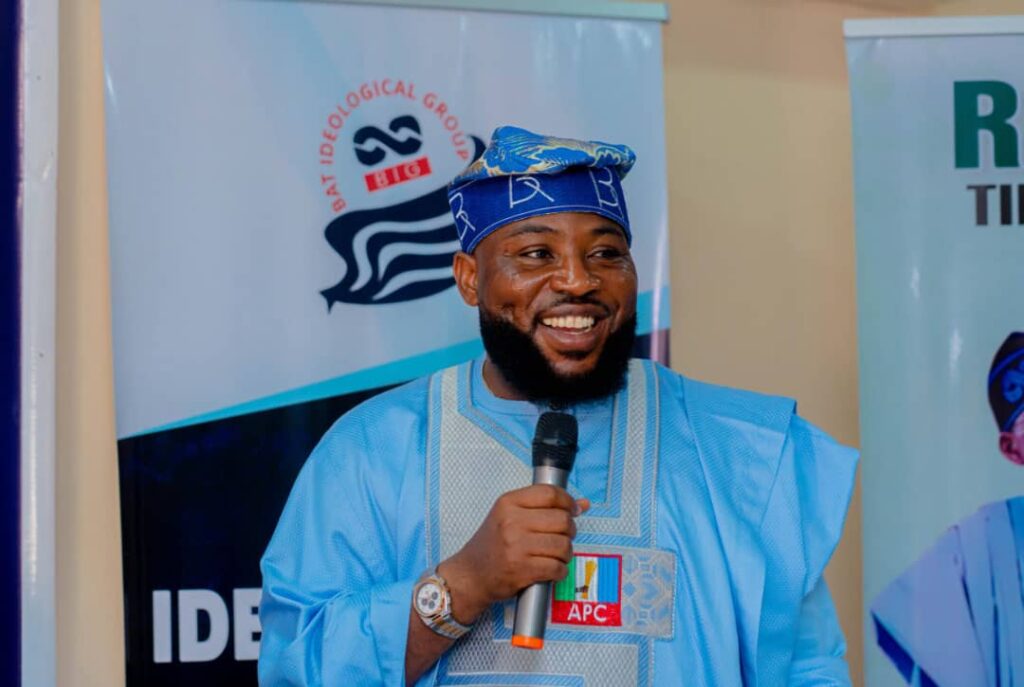
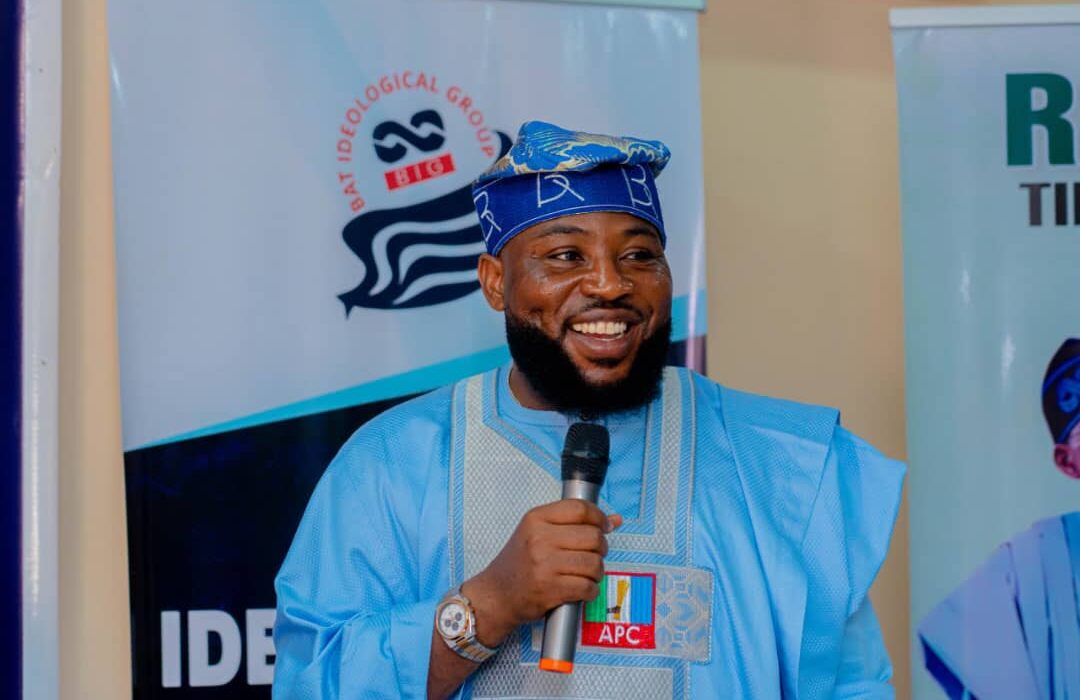
Bamidele Atoyebi is the Convener of BAT Ideological Group, National Coordinator of Accountability and Policy Monitoring and a publisher at Unfiltered and Mining Reporting