
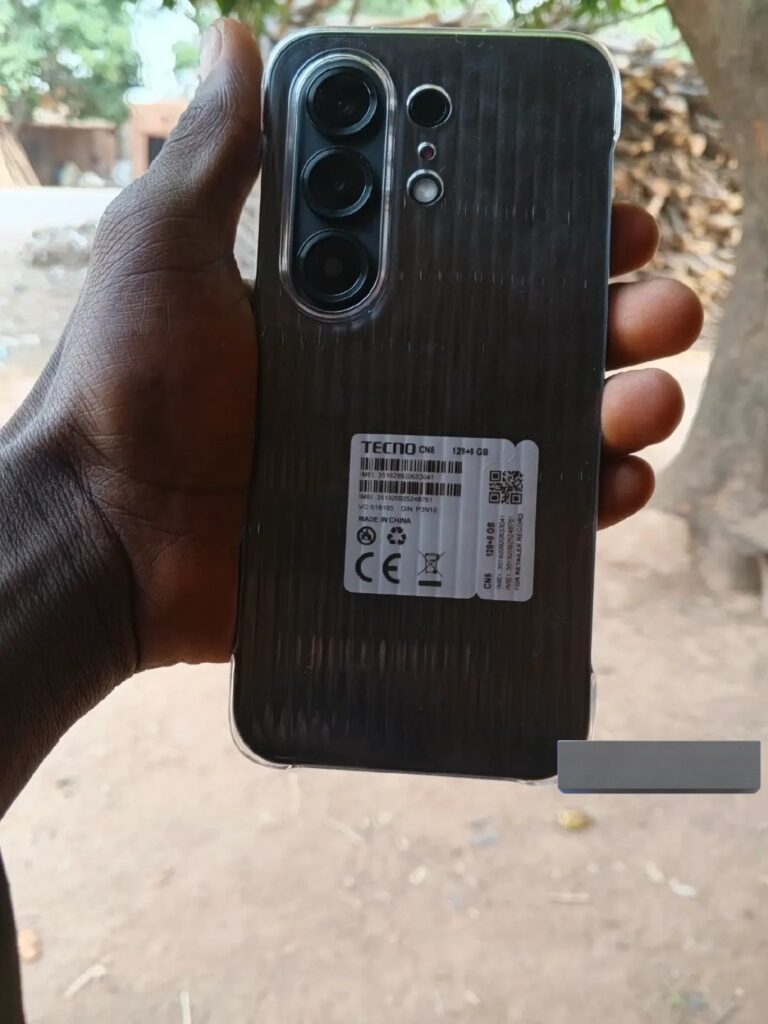


How Bandit May Have Self-tracked Himself
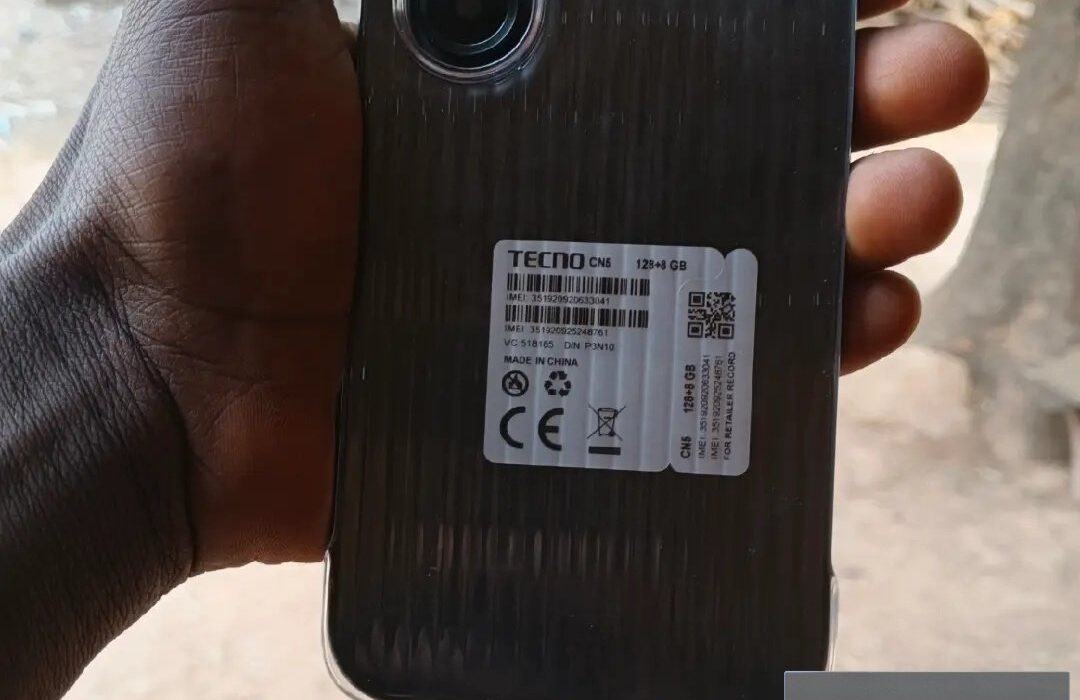
It’s an irony that could make even a cybersecurity novice shake their head. An X user recently shared a screenshot of a bandit’s post, in which the criminal appears to have done the digital equivalent of leaving his home address, photo ID, and a map to his hideout at a crime scene.
The post included a photo of a phone’s dial screen showing the command *#06#. For the uninitiated, this code is the standard way to instantly reveal a phone’s unique, unchangeable International Mobile Equipment Identity (IMEI) number.
This act is a perfect, real-world example of OSINT (Open Source Intelligence)—the practice of gathering information from publicly available sources. This blunder is so significant that it warrants a full news feature.
Think of an IMEI as a phone’s DNA. It’s a unique 15-digit number assigned to every mobile device, and no two phones in the world share the same one. This is critical because an IMEI is a permanent, unchanging digital fingerprint. While a criminal might switch a SIM card to get a new phone number, their phone’s IMEI remains constant, serving as a reliable anchor for law enforcement to track them.
This is exactly how security agencies operate. For example, a witness from the Department of State Services (DSS) recently testified in court that IMEI tracking was pivotal in apprehending the suspects behind the 2022 Owo church attack. Investigators were able to identify and track the perpetrators by following their unique IMEI numbers, leading to multiple arrests.
This bandit has walked right into a classic OSINT trap. By publicly posting his IMEI number, he has handed the police a golden key. With that number, security operatives can potentially:
· Track his location irrespective of whatever SIM card is in the device.
· Link him to past crimes by matching the IMEI to call data records from cell towers near previous incidents.
· Map his accomplices by analyzing the unique call patterns and connections to and from his device.
His only hope would be to pay someone to illegally alter his phone’s IMEI. This is a known service in Nigeria, typically costing between ₦2,500 and ₦1,000, which criminals use to try and evade the police. However, doing so is a crime, and even then, the alteration might only be temporary.
The bandit’s online bravado has transformed into a digital self-snitch. The post is not just a minor oversight; it’s a piece of critical evidence that could be the linchpin in a major arrest. It serves as a powerful reminder that in the digital age, the most dangerous leak is often the one you create yourself.