
Nigeria’s Wage Crisis and Dawn of New Fiscal Era
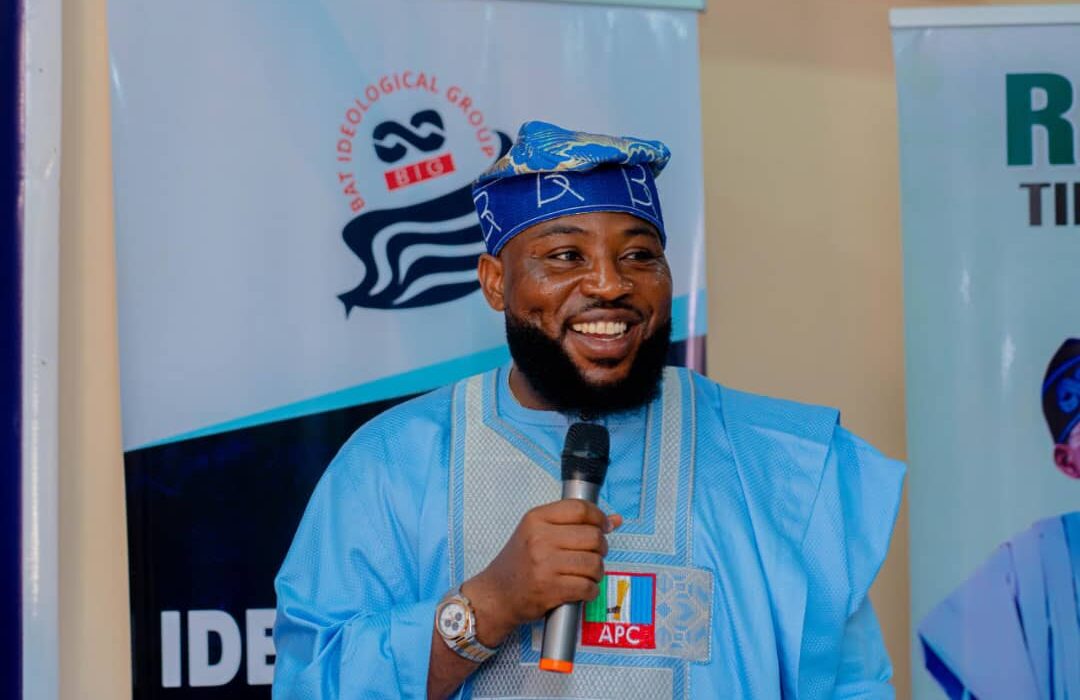
By Bamidele Atoyebi
The hollow ache of an empty stomach is an indelible sensation a child never forgets. For me, that ache wasn’t born of poverty in the traditional sense, but of a systemic failure that reached through the gates of Government Secondary School Afon and into my classroom.
I remember the hushed, anxious conversation with my guardian, a dedicated staff member at a General Hospital in Kwara State. For seven months, her selfless service to the sick was rewarded with nothing but excuses; the salary didn’t come, and my school fees went unpaid.
The humiliation of being chased home by the school remains vivid, a moment that transformed a young student into an advocate for change. I remember leading a protest to the local government office, fueled by the fact that our parent are not been paid and we are still being chased out of the school. That was my introduction to the Obasanjo Era (1999–2007). We celebrated the leap from a N3,000 minimum wage to N7,500, but for many, it was a phantom raise. Behind the scenes, reports identified 14 states drowning in debt because we increased wages without a commensurate plan to grow state revenue, while university students lost roughly 18 months to strikes.
The Yar’Adua Era (2007–2010) felt like a pause in time, a brief window of “what ifs.” While he inaugurated a tripartite committee in 2009 to review the wage structure, history took a different turn with his untimely passing before a single bill could be signed. This left a documentation gap, but the underlying rot of fiscal dependency continued to fester in the shadows of the federal capital. During his short tenure, the academic calendar was further fractured by roughly 5 months of industrial action, waiting for a crisis to erupt.
Then came the Jonathan Era (2010–2015)**, where the minimum wage climbed to N18,000. On paper, it was progress; in reality, it was a fiscal car crash. By the time he handed over the reins, labor unions sounded a death knell, declaring that 28 states were owing salaries, some for an entire year. The administration’s response was a N338 billion salary loan, but it was a political palliative rather than a structural fix. Students under this administration saw their dreams delayed by approximately 13 months of total strike time.
When the Buhari Era (2015–2023) dawned, 27 states were effectively bankrupt. I watched as the federal government became a high-interest lender to its own subnationals, deploying bailouts totaling over N1.75 trillion. While this “solved” the immediate crisis and allowed the wage to rise to N30,000 in 2019, it was a solution built on a mountain of debt. Education suffered the most during this period, with federal universities shut down for a staggering cumulative total of 21 months.
Entering the Tinubu Era (2023–Present), I observed the landscape with the perspective of someone who had seen decades of “quick fixes.” However, the fundamental math of the federation began to shift on May 29, 2023, with the removal of the petrol subsidy. This move triggered a massive surge in the revenue side of the ledger. Monthly FAAC disbursements to states jumped from an average of N620 billion to over N1.09 trillion, finally providing the liquidity needed to sustain a nation without constant borrowing.
This newfound fiscal liquidity has fundamentally changed the conversation around the “salary crisis.” In 2024 alone, the federation shared N28.78 trillion among the three tiers of government a 79% increase from the previous year. This revenue-driven approach allowed for the enactment of a N70,000 minimum wage in July 2024. Unlike previous eras, this wasn’t just a promise; it was backed by the doubled capacity of states to actually meet their obligations to the Nigerian worker.
The impact of this shift reached a symbolic peak in late 2025. Senate President Godswill Akpabio and the Minister of Information both confirmed a reality that seemed impossible during my childhood in Kwara: no state government today is borrowing to pay salaries. For a nation that spent twenty-five years in a cycle of “work for free, wait for bailout,” this represents the closing of a dark chapter in our labor history and a return to fiscal sanity.
Beyond the payroll, the administration has introduced the Nigerian Education Loan Fund (NELFUND), a direct answer to the fee-anxiety I felt at FGGC Afon. NELFUND ensures that a student’s academic destiny is no longer tied to the timing of a parent’s paycheck. By providing a structured credit system for higher education, the government is decoupling the right to learn from the immediate liquidity of the Nigerian household, ensuring that education is accessible to all.
Perhaps most vital for the next generation is the President’s firm commitment to the academic calendar. Tinubu promised that “four years will be four years” for Nigerian students, vowing an end to the era where strikes added years to a degree. This promise has been backed by a historic agreement with ASUU, which has maintained a zero-month strike record under this administration. For a student today, the fear of a four-year course turning into six or eight is finally fading into history.
The landscape of the country is physically changing too, fueled by this aggressive revenue drive. The Lagos-Calabar Coastal Highway project stands as a testament to Nigeria’s transition from a “consumer” economy to a “builder” nation. This 700km economic artery is not just a road; it is a signal that the government is finally looking toward long-term infrastructure that can generate its own wealth, rather than relying on the volatility of oil prices or the burden of international debt.
I have seen the arc of our economic history. We have moved from the phantom raises of the 2000s and the borrowed peace of the 2010s to a period of difficult, but necessary, structural autonomy. The hurdles of the current transition remain, but the foundation is no longer made of debt. It is made of revenue and for the first time in my memory, the “salary crisis” is a ghost of the past.
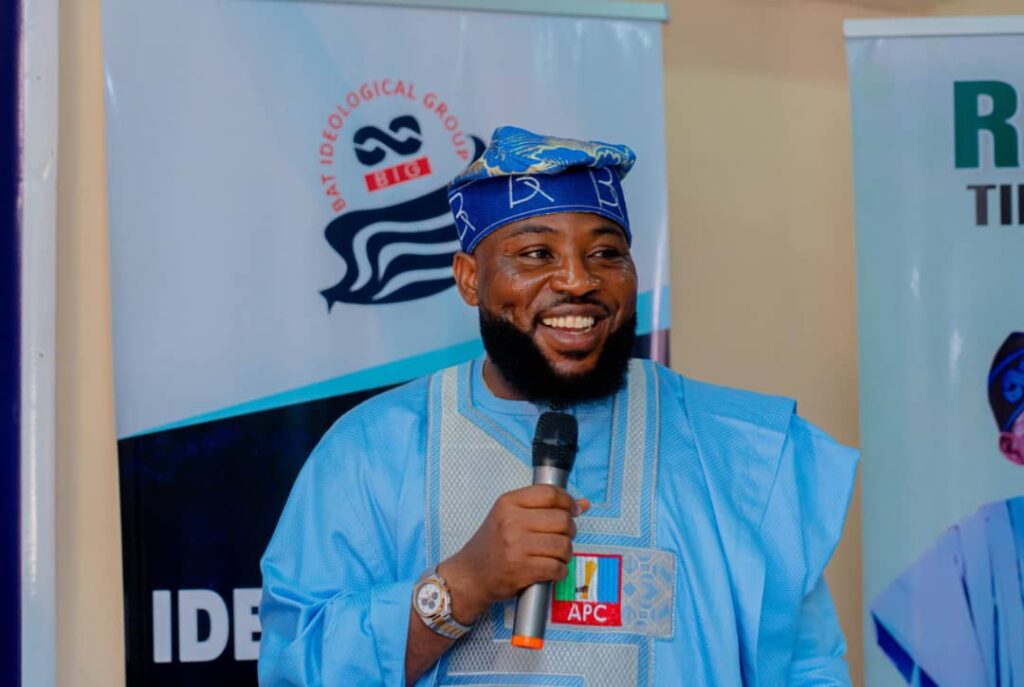
Bamidele Atoyebi is the Convener of BAT Ideological Group, National Coordinator of Accountability and Policy Monitoring and a publisher at Unfiltered and Mining Reporting