


Iran Introduces Alternative Shipping Routes in Strait of Hormuz
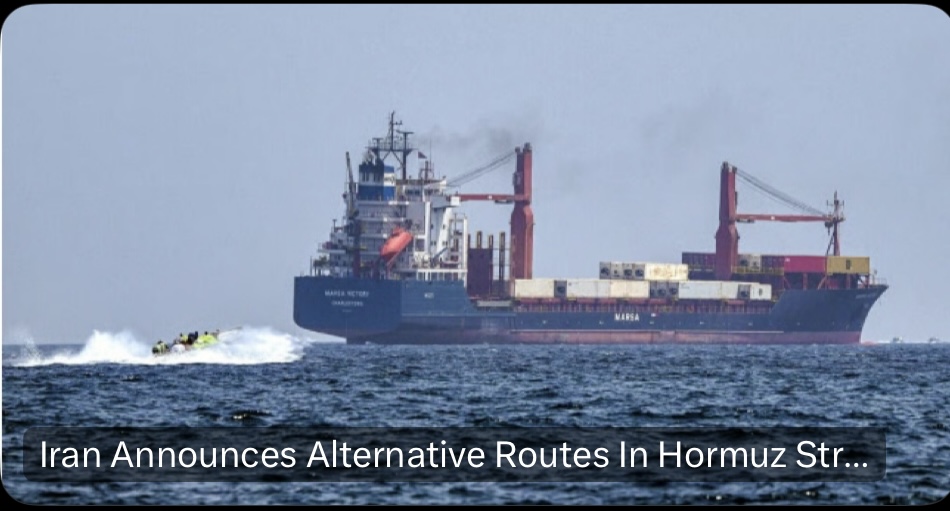
Iran has announced new alternative maritime routes in the strategic Strait of Hormuz, as security concerns and lingering military tensions continue to disrupt global shipping operations.
The development follows a fragile ceasefire between Iran and the United States, after weeks of heightened confrontation that significantly reduced vessel traffic through one of the world’s busiest oil corridors.
The strait accounts for nearly a fifth of global petroleum shipments, making any disruption a major concern for international energy markets. Iranian authorities said the newly designated routes are intended to help vessels avoid high-risk zones, particularly areas suspected to contain naval mines.
Under the new arrangement, inbound ships are directed to follow specific northern channels, while outbound vessels are required to use southern corridors to ensure safer navigation.
The restrictions come after a sharp decline in maritime traffic in recent weeks, with only a limited number of ships able to pass through the strait daily compared to normal volumes. Several shipping companies have either delayed voyages or rerouted vessels entirely, citing safety risks and surging insurance costs. In addition to rerouting measures, Iran is reportedly considering stricter maritime controls, including possible transit charges and tighter monitoring of vessels passing through its territorial waters.
Analysts say the move highlights Tehran’s attempt to assert greater control over the critical waterway amid ongoing geopolitical tensions. The situation has drawn concern from major oil-importing countries, including India, which has urged Iran to ensure the steady flow of crude shipments during the ceasefire period to avoid supply shortages.
Global leaders have also called for the restoration of unrestricted navigation through the strait, warning that prolonged instability could trigger wider disruptions in energy supply chains and increase volatility in global oil prices.
Despite the introduction of alternative routes, experts caution that risks remain high due to the continued military presence and uncertainty surrounding the durability of the ceasefire.
The evolving situation in the Strait of Hormuz is expected to remain a key focus for global markets and policymakers in the coming weeks.