
Senegal Cracks Down on Foreign Trips forinisters as Global Oil Prices Surge
Senegal Cracks Down on Foreign Trips forinisters as Global Oil Prices Surge
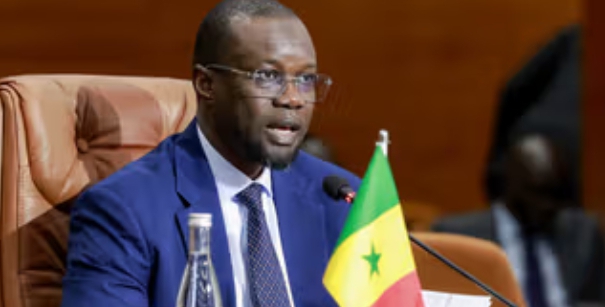
Senegal has imposed an immediate ban on non-essential foreign travel for government ministers as rising global oil prices place mounting pressure on public finances, Prime Minister Ousmane Sonko has announced.
Addressing a youth rally on Friday, Sonko revealed that the cost of a barrel of oil was nearing twice the level initially projected in the national budget, signalling a sharp and unexpected fiscal strain.
In response, he confirmed that he had personally suspended planned visits to Niger, Spain, and France, underscoring the seriousness of the government’s cost-cutting drive.
Further measures to rein in public expenditure are expected, with the minister of mines set to outline additional steps in the coming days.
Senegal’s decision reflects a broader continental response to surging energy costs, driven in part by escalating tensions in the Middle East. Several African countries are already adjusting policies to cushion the impact, including tax reductions on fuel and energy rationing.
Despite recent progress in developing its domestic oil and gas sector, Senegal remains heavily reliant on imported fuel, leaving it vulnerable to global price shocks. Sonko acknowledged the challenges but sought to strike a measured tone, telling young people he did not wish to “frighten” them, but rather to offer “a sense of this world, which is a difficult world”.
He added that, even in hardship, Senegalese citizens remained resilient.
The country’s economic outlook had appeared strong as recently as last year, with the International Monetary Fund describing growth as “robust” at nearly 8% and inflation relatively low. However, high public debt, estimated at over 130% of GDP, continues to weigh heavily. Sonko attributed much of this burden to the previous administration, arguing it has compounded the current crisis.
Across Africa, the ripple effects are becoming increasingly visible. South Africa has moved to cut fuel taxes; Ethiopia is grappling with fuel shortages that have disrupted public services; and South Sudan has begun rationing electricity. Zimbabwe, meanwhile, is increasing ethanol blending in petrol.
Compounding concerns, disruptions in the Strait of Hormuz have constrained fertiliser supplies globally, prompting warnings of a looming food security crisis, particularly in East Africa.