
US–Iran Conflict: Analysts Say Iran Holds Strategic Advantage by Controlling Strait of Hormuz, Say Analysts
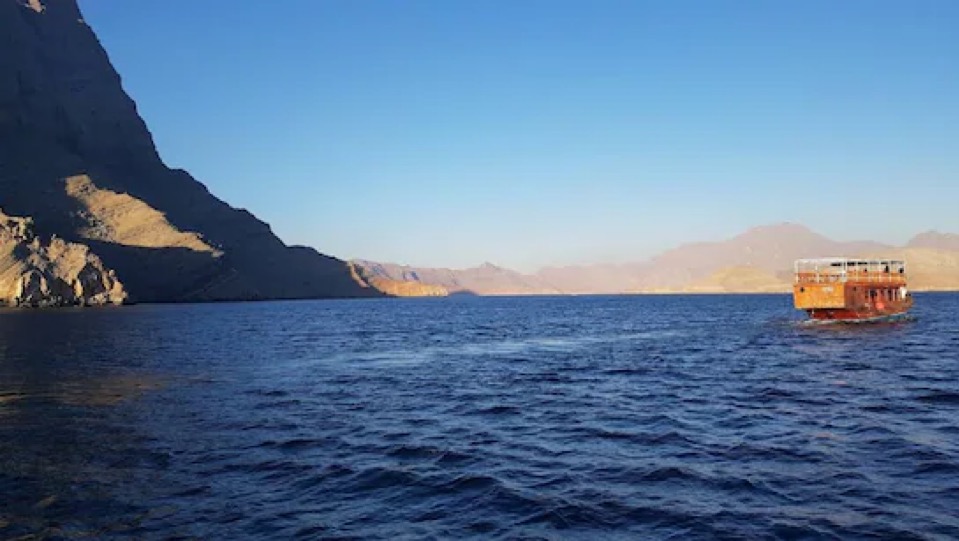
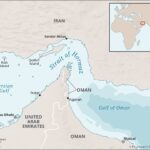
Analysts have said Iran is gaining the upper hand in the ongoing conflict with the United States by maintaining control over the Strait of Hormuz, a critical global energy corridor through which a significant portion of the world’s oil supply passes.
The narrow waterway, widely regarded as one of the most important chokepoints in global trade, has become a central battleground in the escalating tensions between Washington and Tehran. Experts argue that Iran’s ability to restrict or disrupt maritime traffic through the strait has given it significant leverage, even without achieving battlefield dominance.
The conflict, which intensified in late February 2026, has seen Iran employ a range of asymmetric tactics, including threats to commercial shipping and intermittent interference with vessel movements. These actions have led to a sharp decline in tanker activity in the region, raising concerns about global oil supply stability.
According to analysts, Iran’s control over the Strait of Hormuz allows it to influence global energy markets, contributing to rising oil prices and economic pressure on countries dependent on Gulf oil exports.
The situation has also forced several shipping companies to suspend operations in the area due to safety concerns. Intelligence assessments suggest that Tehran views its control of the strait as a powerful bargaining tool, potentially more valuable than other strategic objectives.
By maintaining its position, Iran is able to exert pressure not only on the United States but also on its allies and global markets. The ongoing crisis has triggered widespread economic and political implications. Rising fuel costs and supply uncertainties are already affecting major economies, while Gulf states near the strait have reported disruptions in trade and maritime activity.
Tensions remain high as U.S. officials warn of possible military consequences if Iran continues to restrict access to the waterway. Former President Donald Trump has reportedly cautioned Tehran to reopen the strait or face severe repercussions, heightening fears of further escalation.
Meanwhile, diplomatic efforts are underway, with international mediators proposing ceasefire arrangements aimed at restoring stability in the region and ensuring the reopening of the strait. However, no agreement has yet been reached.
Analysts warn that the situation remains volatile, with the potential for further escalation if tensions are not resolved. They note that Iran’s continued control of the Strait of Hormuz represents a significant strategic advantage, reinforcing its position in both the military and economic dimensions of the conflict.
As the standoff continues, the Strait of Hormuz remains at the center of global attention, with its fate likely to shape the trajectory of the US–Iran conflict and the broader stability of international energy markets.