

Cameroon Approves Role for Vice-President After Decades Without Office
Cameroon’s parliament has approved constitutional amendments introducing the position of vice-president for the first time in more than five decades, marking a significant shift in the country’s leadership structure.
The changes, passed during a joint sitting of both chambers, received strong backing from lawmakers, with 200 voting in favour, 18 against and four abstaining.
The bill now awaits presidential assent to become law.
Under the revised constitution, the vice-president who will be appointed by the president will automatically assume office and complete the remaining term if the president dies or becomes incapacitated. This replaces the previous arrangement where the Senate president temporarily took over pending fresh elections.
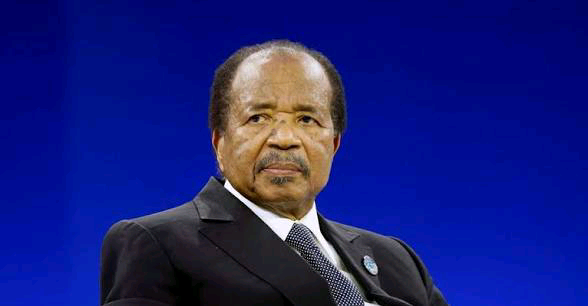
President Paul Biya, 93, who has been in power since November 1982, is expected to oversee the implementation of the new provision. The reintroduction of the role comes decades after it was abolished in 1972 when Cameroon transitioned from a federal to a unitary system.
Supporters of the amendment say the move will improve governance by ensuring continuity in leadership and reducing the burden on the Senate, allowing it to focus on legislative responsibilities.
However, opposition parties have criticised the process, describing it as rushed and lacking broad consultation.
The Social Democratic Front (SDF), which has representation in parliament, boycotted the vote and had advocated for a system where the vice-president would be elected alongside the president rather than appointed.
The party also pushed for constitutional provisions reflecting the country’s linguistic divide between English- and French-speaking regions, proposing that the two top offices be shared across both communities—a structure that existed prior to 1972.
Other opposition figures have strongly condemned the amendment. Maurice Kamto of the Cameroon Renaissance Movement described the move as a “constitutional and institutional coup,” alleging it concentrates power within the ruling establishment. He also announced plans to mobilise opposition through an online campaign.
The introduction of the vice-president role has renewed focus on succession in Cameroon, particularly given Biya’s long tenure and age. While the amendment establishes a clearer line of succession, uncertainty remains over the country’s political future.
Biya secured an eighth term in office in the most recent presidential election with 53.7 percent of the vote, though opposition groups disputed the credibility of the process.
With the constitutional changes now approved, attention is shifting to who may be appointed as the country’s first vice-president under the new framework.