


Ogun Seeks Leadership Training for Doctors to Strengthen Healthcare Delivery
By Momodu Favour
The Ogun State Ministry of Health has called for deliberate investment in leadership and management training for doctors, stressing that clinical expertise alone is insufficient to drive sustainable improvements in Nigeria’s healthcare system.
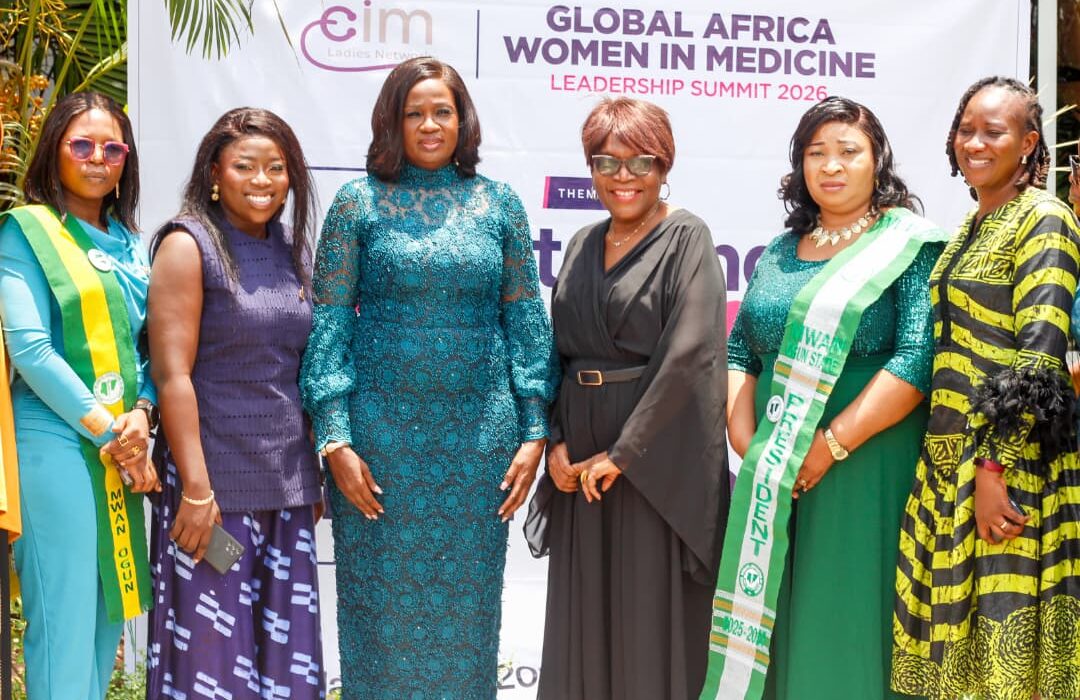
The Commissioner for Health, Tomi Coker, made the call during the Global African Women in Medicine (GAWIM) Summit held in Abeokuta, according to a statement issued on Thursday.
Coker urged governments and stakeholders to prioritise the development of leadership capacity among medical professionals, particularly young doctors and medical students, noting that early exposure to leadership skills is critical.
“Leadership is about consistent growth, learning, and experience,” she said, emphasising that ethical leadership and sustained investment in human capital are essential to strengthening healthcare delivery, especially in tackling maternal mortality.
She further underscored the importance of ethics in medical practice, describing it as the foundation of both clinical and administrative responsibilities. According to her, healthcare professionals must be guided by strong values in all aspects of their work.
“Ethics is a personal value. Whether in the boardroom or at the bedside, it must reflect in your actions because of the responsibility you owe your patients,” Coker stated.
Also speaking, the President of the Medical Women’s Association of Nigeria, Deborah Osinsanwo, called for increased participation of female doctors in policymaking and governance.
She noted that while women have consistently demonstrated excellence in the health sector, their representation in top leadership positions remains limited. Osinsanwo stressed that greater inclusion is necessary to shape policies that will improve healthcare outcomes.
Delivering a keynote lecture titled “Sustaining Leadership from Practice to Boardroom,” Oluwabunmi Fatungase, Chief Medical Director of the Olabisi Onabanjo University Teaching Hospital, encouraged women in medicine to actively prepare for leadership roles.
Fatungase highlighted that leadership goes beyond clinical competence, encompassing decision-making ability, influence, knowledge, and personal attributes required to drive systemic change.
“It’s about decision-making, knowledge, influence, and personal attributes,” she said.
Chairperson of the organising committee, Oluwatobiloba Adewunmi, described the summit as a mentorship-driven initiative aimed at equipping women with the tools needed to take on leadership roles within the healthcare sector.
Similarly, the Founder and Convener of the GAWIM Summit 2026, Olajumoke Ladapo, urged female medical practitioners to expand their impact beyond clinical practice by engaging in leadership and policy development.
She explained that the initiative grew from the Excellence in Medicine (EIM) Ladies Network, established in 2018 to promote inclusion and shared purpose among female professionals, and has since evolved into a broader platform for leadership development across Africa.
Ladapo noted that while medical professionals have made significant contributions to patient care, there is an urgent need to scale their impact by influencing healthcare systems and policies.
She added that the GAWIM Summit aims to build a strong network and ecosystem that empowers female medical professionals to take up positions of influence and drive meaningful reforms in the sector.