
IDF Finds Hezbollah Weapons Hidden in Southern Lebanon School
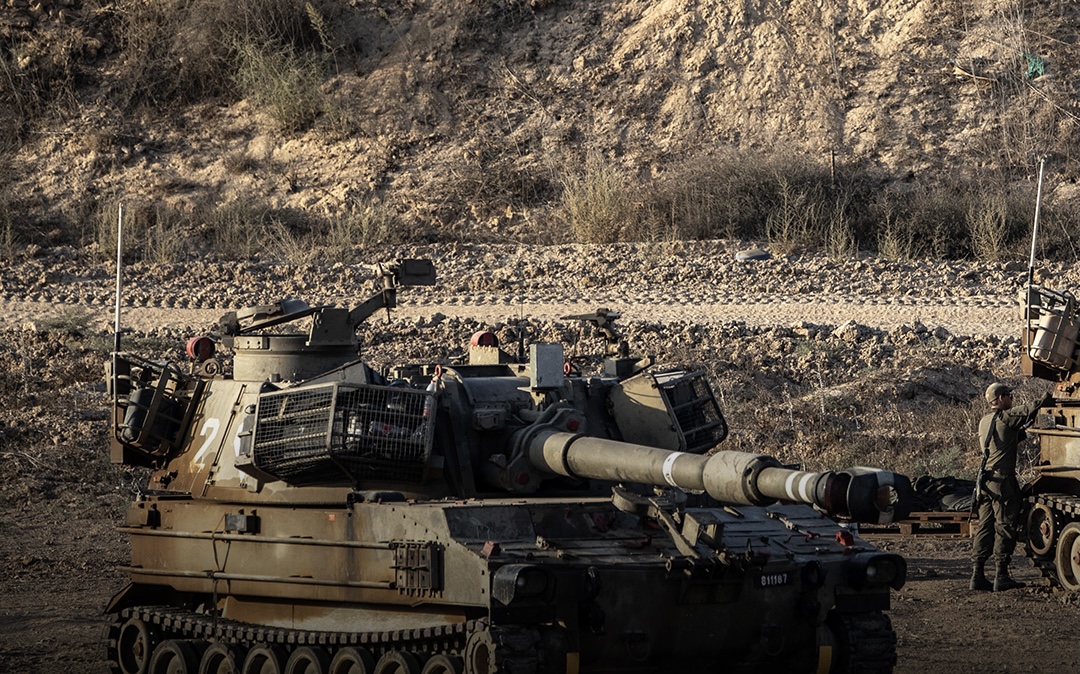
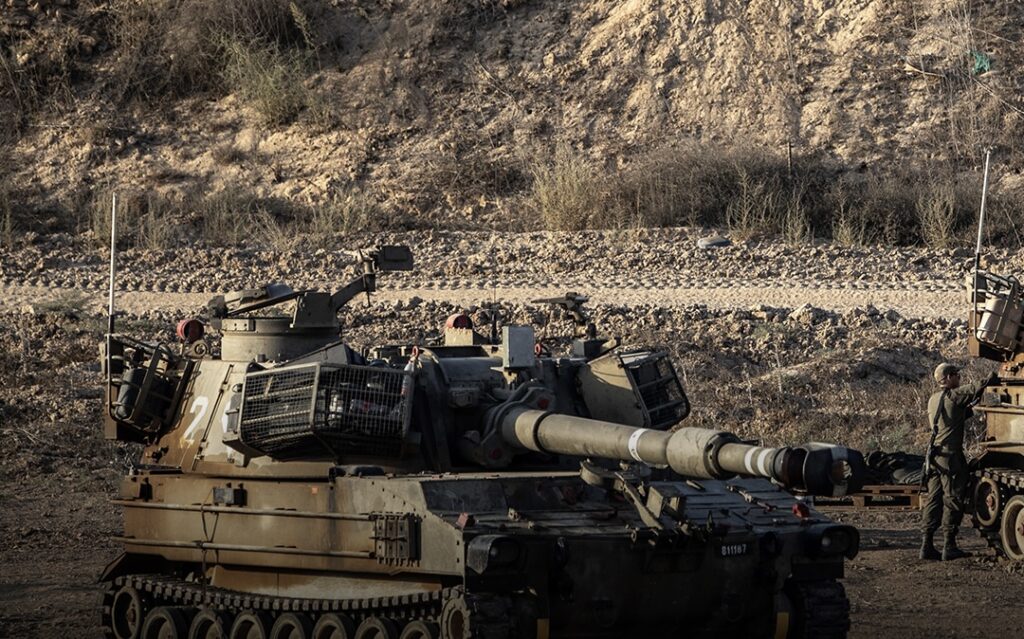
Israeli troops discovered a large cache of Hezbollah weapons inside a school in the Al-Khiyam area of southern Lebanon.
The find included anti-tank rockets, mortar shells, grenades, launchers, light firearms, and explosives. The weapons were hidden in the school building, which is meant for children’s education. This discovery has raised fresh concerns about how Hezbollah operates in civilian areas.
The IDF released video footage showing the weapons laid out after being recovered from the site. Soldiers found the arms stored in classrooms and other parts of the school. Many of the items were placed near materials belonging to the United Nations refugee agency, UNHCR. This has led to questions about how such dangerous materials ended up in a place used for learning.
Hezbollah is known for using civilian locations to store weapons and launch attacks. Placing arms inside a school puts children and teachers at great risk if fighting breaks out. The IDF says this is another example of the group using human shields and endangering local people. The discovery comes during ongoing operations aimed at reducing Hezbollah’s ability to attack Israel from southern Lebanon.
This is not the first time weapons have been found in schools or hospitals in the region. Such tactics make military operations more difficult and increase the chance of civilian harm. The presence of UNHCR markings has also drawn attention, as aid agencies are supposed to operate in neutral and safe spaces.
The incident adds to the tension along the Israel-Lebanon border. Both sides continue to exchange threats and carry out actions in the area. For people living in southern Lebanon, the discovery highlights the dangers of having armed groups active near their daily lives, including schools.
Overall, the find of weapons in the school shows the complex challenges in the ongoing conflict. It raises important questions about protecting civilian areas and ensuring schools remain safe places for children. As operations continue, many hope for steps that reduce the risk to ordinary people on both sides of the border.