
UN General Assembly Declares Slave Trade Gravest Crime Against Humanity
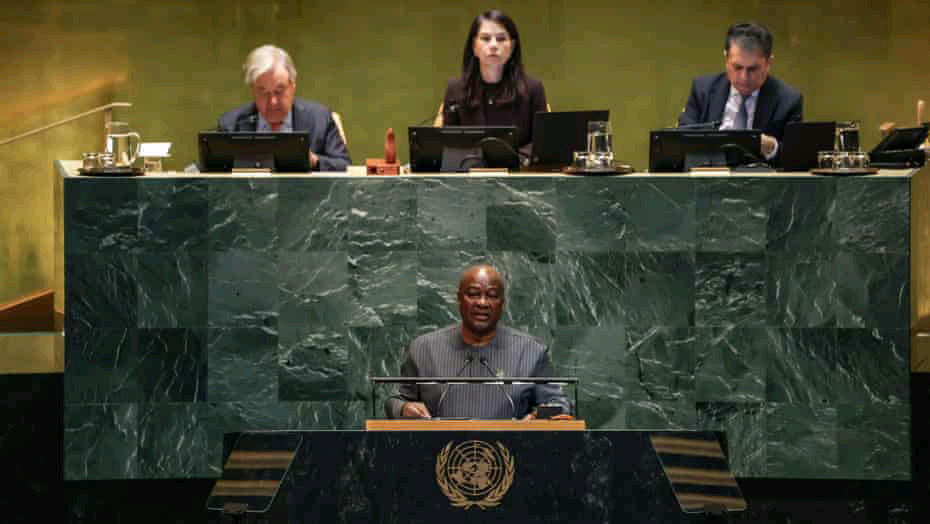
The United Nations General Assembly has adopted a resolution recognising the transatlantic slave trade as the gravest crime against humanity and calling for reparations and the return of stolen cultural artefacts to affected countries.
The resolution, passed on Wednesday, urges the immediate and unconditional restitution of cultural property such as artworks, monuments and archives to their countries of origin.
A total of 123 member states voted in support of the measure, while United States, Israel and Argentina opposed it. Fifty two countries, including the United Kingdom and several European Union members, abstained.
Although not legally binding, the resolution carries political and moral significance and reflects growing global support for reparatory justice.
It calls on countries to engage in dialogue on measures such as compensation, restitution, formal apologies and institutional reforms to address systemic racism.
The resolution also encourages collaboration among regional bodies including the African Union, CARICOM and the Organization of American States to advance reconciliation efforts.
John Dramani Mahama, who backed the initiative, described its adoption as a significant step toward justice and remembrance for victims of slavery.
Representing Western nations, the United Kingdom’s UN envoy James Kariuki acknowledged the lasting impact of slavery and stressed the importance of addressing both its legacy and modern forms of exploitation.
The resolution further condemns slavery and racialised enslavement as among the most severe injustices in history and calls for sustained efforts to promote justice, human rights and healing.