
Philippines Declares Energy Emergency over Middle East Crisis
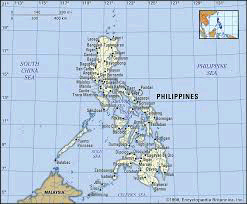
The Philippines has declared a national energy emergency, becoming the first country to take such action in response to the ongoing Middle East conflict and disruptions to global oil supply.
President Ferdinand Marcos Jr approved the measure through an executive order, citing growing risks to the country’s energy stability and supply.
The declaration follows sharp disruptions in global energy markets triggered by the conflict involving the United States, Israel and Iran, as well as the effective closure of the Strait of Hormuz, a critical channel for oil shipments.
Highly dependent on imports, the Philippines sources about 98 percent of its oil from the Gulf region. Since fighting began on February 28, domestic fuel prices have surged, with petrol and diesel costs rising to more than twice their previous levels.
Under the emergency order, the government is empowered to implement measures aimed at stabilising supply and cushioning the broader economy. A special committee has been established to coordinate the distribution of fuel, food, medicines and other essential commodities.
Authorities have also been granted the ability to directly procure petroleum products to boost national reserves.
The emergency status will remain in effect for up to one year, unless earlier lifted or extended by the president.
The move comes amid mounting pressure from lawmakers, who have warned of worsening hardship for households grappling with rising fuel costs.
Government officials said the country currently has about 45 days’ worth of fuel supply remaining. In response, authorities are increasing reliance on coal-fired power generation to offset the high cost of liquefied natural gas.
Since the onset of the crisis, the government has rolled out several mitigation measures, including fuel subsidies for transport workers, reduced ferry operations and a shortened workweek for civil servants to conserve energy.
Asia remains particularly vulnerable to supply disruptions linked to the Strait of Hormuz, with the majority of oil and gas shipments through the route historically destined for the region.