
Ministers, Aides Panic as Tinubu Withholds Endorsements Ahead of 2027 Race
By Momodu Favour
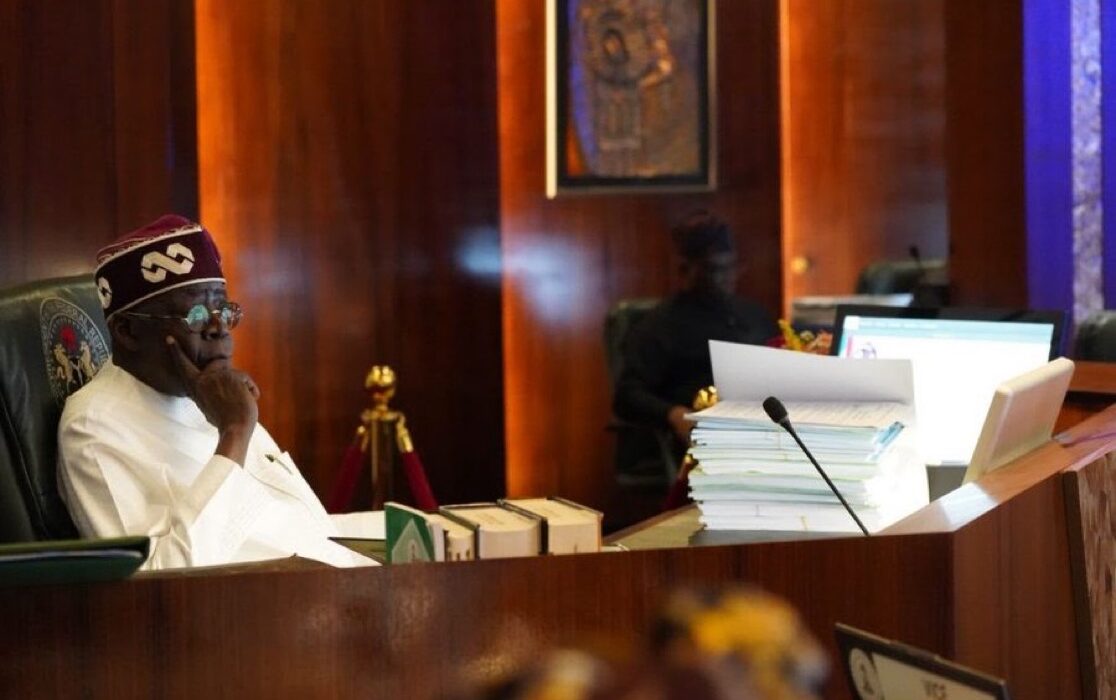
Tension is mounting within Nigeria’s Federal Executive Council (FEC) following a firm directive by President Bola Ahmed Tinubu ordering all political appointees with ambitions for elective office to resign on or before March 31, in compliance with the Electoral Act.
The development has reportedly unsettled several ministers and top aides who have been quietly positioning themselves for the 2027 general elections, particularly for governorship and legislative seats across the country.
Presidency sources revealed that beyond the resignation order, the President has adopted a neutral stance in the emerging political permutations by declining to publicly or privately endorse any aspirant within his cabinet.
This move has effectively stalled intense lobbying efforts by appointees seeking what is often described in political circles as “anointing” from the nation’s leader.
Insiders disclosed that multiple attempts by some ministers and aides to secure private meetings with the President have been unsuccessful, a situation that has heightened anxiety within the corridors of power in Abuja.
According to a senior figure within the All Progressives Congress (APC), the President is deliberately distancing himself from internal contests to avoid accusations of favoritism and to preserve party unity ahead of the primaries.
“The President has made it clear that he will not impose candidates,” the party chieftain said. “He believes anyone aspiring to lead at any level must demonstrate genuine grassroots support rather than rely on federal influence.”
The source further quoted the President as emphasizing his political philosophy, rooted in years of experience, insisting he is “not a kingmaker of appointees, but a President for all Nigerians.”
Observers say the directive is also a strategic move to reduce friction between federal appointees and state governors, many of whom are wary of external interference in their local political structures.
By withholding endorsements, the President appears to be allowing state-level dynamics to play out independently.
Political analysts note that the decision could reshape internal power dynamics within the ruling party, forcing aspirants to return to their constituencies and engage directly with delegates and party stakeholders.
With the resignation deadline fast approaching, attention is now focused on which high-profile members of the cabinet will step down to pursue their ambitions—and how they will fare without the backing of the Presidency.
As the 2027 political landscape gradually takes shape, the President’s stance signals a shift toward a more competitive and decentralized contest within the ruling party, potentially redefining how candidates emerge in Nigeria’s evolving democracy.