


Global Nuclear Watchdog Backs Rwanda’s $6bn First Reactor by 2030s
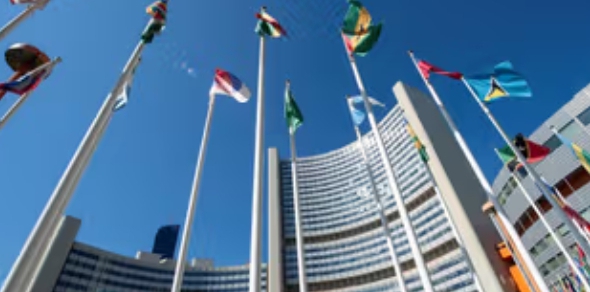
The International Atomic Energy Agency (IAEA) has backed Rwanda’s progress toward developing a nuclear power programme, following an eight-day review mission that assessed the country’s readiness to introduce nuclear energy into its power mix.
The Integrated Nuclear Infrastructure Review (INIR) mission, conducted at Kigali’s request between March 2 and 9, found that Rwanda is making steady advances in building the institutional, legal, and technical foundations required for nuclear power.
According to the IAEA report, “the team identified good practices that would benefit other countries developing nuclear power in the areas of strong government commitment and coordination, proactive engagement with stakeholders, and early and comprehensive preparation for emergency preparedness and response.”
Rwanda is targeting nuclear energy to supply between 60% and 70% of its electricity over the long term, with plans to deploy its first small modular reactor (SMR) in the early 2030s. The programme is being driven by the Rwanda Atomic Energy Board, established under a 2020 presidential order, as part of broader efforts to reduce reliance on imported electricity and fossil fuels.
The IAEA team highlighted progress in areas such as drafting a comprehensive nuclear law, identifying potential sites for reactor deployment, and strengthening emergency preparedness frameworks.
“Strong government support and effective coordination have enabled Rwanda to make meaningful progress,” said Mehmet Ceyhan, who led the review mission.
The findings come as President Paul Kagame recently reaffirmed the country’s nuclear ambitions on the global stage. Speaking at a nuclear energy summit in Paris hosted by Emmanuel Macron, Kagame disclosed plans to invest up to $6 billion in nuclear power infrastructure to secure reliable electricity for long-term economic growth. He also called for expanded international financing mechanisms to support developing countries pursuing nuclear energy.
Despite the positive assessment, the IAEA stopped short of a full endorsement, instead offering recommendations to strengthen Rwanda’s readiness. These include finalising national legislation, completing detailed infrastructure assessments, and further aligning policies with international safety standards.
For Rwanda, the review marks a critical milestone as it moves from planning to implementation. If successfully executed, the programme could position the country as one of Africa’s first adopters of small modular reactor technology, potentially reshaping its energy landscape and reducing dependence on costly power imports.