



Nigeria Ranks Fourth Globally as Sahel Becomes New Terrorism Epicenter
By 𝔸bdulrazak Tomiwa
The 2024 Global Terrorism Index ranks Nigeria fourth globally among countries most impacted by terrorism.
This shift highlights the Sahel region of Sub-Saharan Africa as the world’s new epicenter for extremist violence. The report marks a significant geographical move of terror activity away from the Middle East.
The Sahel now accounts for nearly half of all global terrorism-related deaths recorded in 2023. This surge is fueled by ethnic conflicts, weak governance, and the expansion of extremist groups. Currently, five of the ten countries most affected by global terrorism are located within this African sub-region.
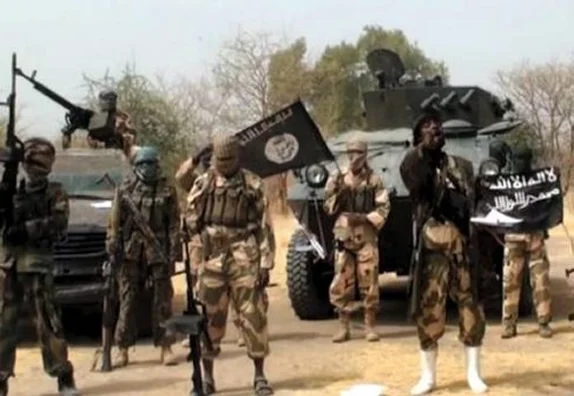
Nigeria’s high ranking stems from the persistent threats posed by Boko Haram and ISWAP. Despite various military interventions, the country remains a primary target for organized extremist violence. While death tolls fluctuate, the security threat remains deeply entrenched in several Nigerian states and regions.
Burkina Faso has overtaken Afghanistan as the country most impacted by terrorism worldwide, with deaths rising by 68 percent. It now accounts for a quarter of all global terror fatalities. This deterioration in neighboring security significantly contributes to the overall instability felt across Nigeria’s borders.
Conflict remains the primary driver of these statistics, with 90 percent of attacks occurring in active war zones. In the Sahel, a lack of state control in rural areas allows terrorist organizations to flourish.
These groups frequently exploit local grievances to recruit members and expand their operations.
While global terror deaths have declined elsewhere, the situation in Nigeria and the Sahel remains critical. The 2024 index underscores the urgent need for coordinated regional security and stable governance. Without addressing these underlying issues, the region will continue to lead the world in terrorism fatalities.