


Made-in-China Weapons Face Scrutiny as Battlefield Performance Raises Questions
By Momodu Favour
China’s emergence as a major global arms supplier is facing renewed scrutiny as its military equipment undergoes real-world testing in active conflict zones.
For years, Beijing has expanded its footprint in the global defence market by offering relatively low-cost weapons systems with fewer political conditions compared to Western suppliers. This strategy has made Chinese arms attractive to countries seeking affordable alternatives.
However, recent battlefield reports are casting doubt on the reliability and effectiveness of some of these systems.
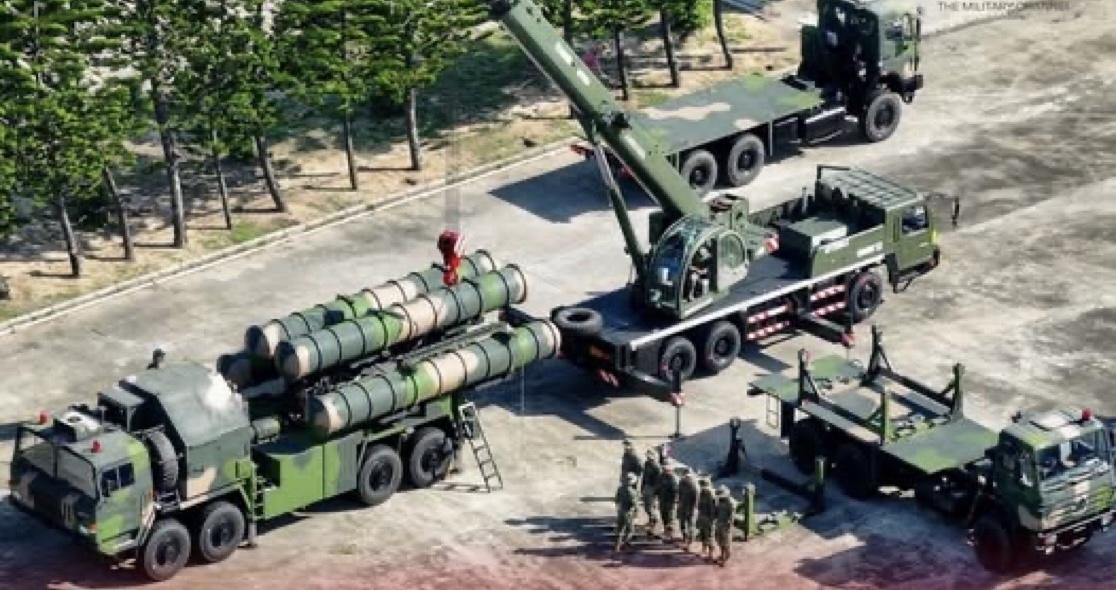
In several regions, including Iran, Pakistan, and Venezuela, Chinese-made air defence platforms have reportedly struggled to perform under combat conditions. Observers point to instances where radar systems failed to detect incoming threats, allowing aircraft and precision strikes to bypass defences.
Electronic warfare has emerged as a key vulnerability. Advanced jamming and cyber disruption techniques are said to have interfered with radar and missile systems, limiting their ability to respond effectively during engagements.
Analysts say this has exposed gaps in the resilience of some Chinese-built technologies when confronted with modern warfare tactics.
Integration challenges have also been highlighted. Countries operating a mix of Chinese, Western, and Russian military hardware often face compatibility issues, making it difficult for systems to communicate and function seamlessly in coordinated defence operations.
In addition, concerns over maintenance and long-term reliability persist. Defence experts note that shortages of spare parts, limited technical support, and inadequate training have, in some cases, left critical systems partially or completely inoperative.
The developments are prompting questions about the long-term competitiveness of Chinese arms exports, particularly as buyers weigh cost advantages against battlefield performance.
Despite the criticism, some analysts caution that equipment alone does not determine outcomes in war, noting that operational strategy, training, and command structures also play significant roles.
Nevertheless, as conflicts continue to test military systems in real time, the performance of Chinese-made weapons is expected to remain under close international observation.