Tinubu Urges Media to Scrutinise State, Local Governments as Federalism Deepens
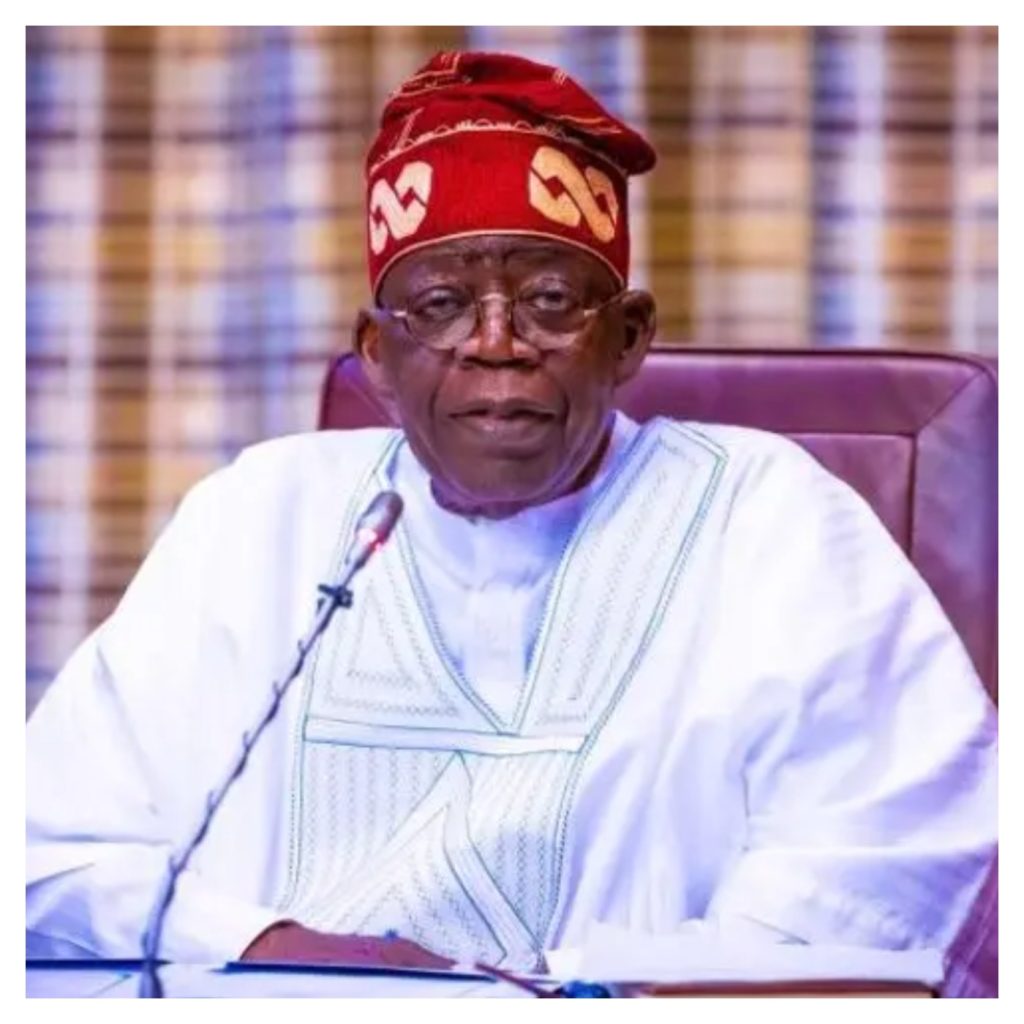
President Bola Tinubu has urged media leaders across Nigeria to extend their watchdog role beyond the federal government and hold state and local administrations accountable, noting that subnational authorities now control greater financial resources.
The president made the appeal on Friday while hosting media proprietors and senior executives at the Aso Rock Presidential Villa in Abuja.
Tinubu said recent reforms have strengthened the country’s federal system, especially with local governments now receiving funds directly. According to him, the media should broaden its scrutiny to ensure transparency at every level of government.
He noted that while his administration often faces intense media attention, state governments and local councils should also be closely examined regarding how they manage public funds.
The president added that the financial outlook for states has improved under his administration. He explained that many states that previously struggled to meet salary obligations have now experienced better revenue inflows.
In the past, several states depended on federal bailouts and loans to pay workers, especially during periods of low oil earnings. However, the current administration attributes improved allocations to higher crude oil production, stronger revenue collection by the Federal Inland Revenue Service, and direct disbursement of funds to local councils following a landmark judgment by the Supreme Court of Nigeria in July 2024 granting fiscal autonomy to local governments.
Tinubu also acknowledged the critical role played by the media, saying that persistent criticism has pushed him to perform better as president.
He revealed that reading newspapers every morning has become a daily routine for him, describing the habit as almost addictive, even though he often focuses primarily on major headlines.
Reflecting on the early days of his administration, Tinubu admitted that the heavy criticism from newspapers and public commentators initially made him somewhat resistant. Nevertheless, he maintained that leadership requires difficult decisions, including policies that may not immediately be popular.
One such decision was the removal of petrol subsidy shortly after he assumed office in May 2023. Tinubu defended the move, saying the country’s financial situation at the time made it unavoidable, warning that Nigeria had been close to economic bankruptcy.
He stressed that tough policy choices are sometimes necessary to stabilise the nation and ensure long-term progress.
The president further said he takes full responsibility for the results of his policies, emphasising that he sought the mandate to lead and therefore must deliver solutions, even while making adjustments along the way.
Tinubu argued that recent economic policies have helped pull the country back from the brink, pointing to improvements in foreign exchange management and efforts to stabilise inflation.
He also rejected the idea of viewing critics as adversaries, instead describing them as contributors to national development who ultimately want the country to succeed.
The president acknowledged that media organisations themselves are facing financial pressures, noting that operating and funding media businesses has become increasingly challenging in the current global economic climate.
He added that concerns about tariffs affecting the media sector were discussed during the meeting and assured participants that the government would review the matter where necessary.
Tinubu commended media proprietors for adapting and introducing innovations despite economic difficulties and pledged to continue working with dedication to improve Nigeria’s overall development.
The meeting took place during an Iftar gathering marking the final Ramadan fast of 2026, attended by media executives representing print, broadcast, and digital outlets across the country.